How can you be certain that your brand’s PR budget is being spent wisely? How do you calculate the ROI of your marketing efforts? And how do you measure up against your competitors in an increasingly fragmented media environment? In today’s complex media landscape, where consumers are content creators, brands need to be present across a multitude of channels. To scale this, working with the right influencers and media outlets is key.
However, with increasing pressure put on marketing budgets, it’s difficult to justify the often intangible impact of PR outreach. That’s where media monitoring comes in.
Done right, media monitoring has the power to drive your PR and marketing efforts forward with clarity and precision.
If you’re unfamiliar with the term or unsure where to start, keep reading. That’s what we’ll uncover in this post. We’ll also look at why media monitoring tools are important and how to choose the right ones for your brand.
What is media monitoring?
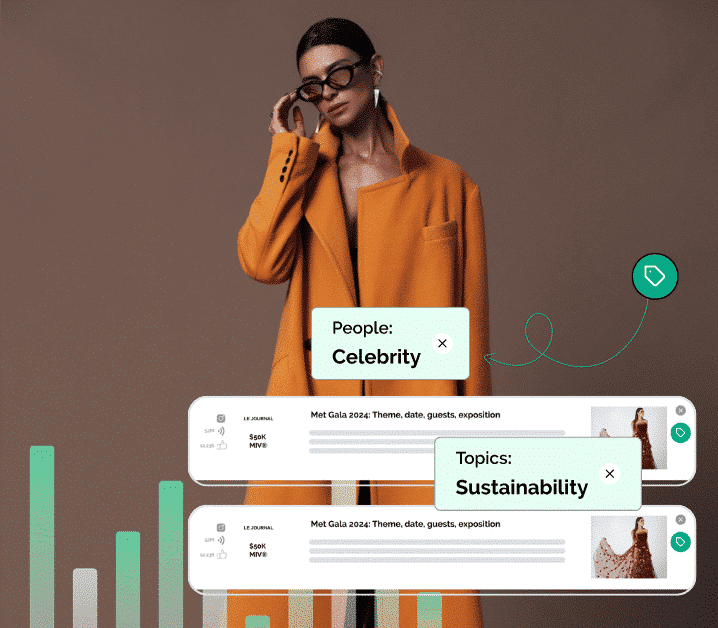
At its core, media monitoring refers to the process of tracking and analyzing media mentions of your brand, products and campaigns across a variety of media sources. For FLB brands, this is not just about measuring how often your brand is mentioned but also understanding how and where those mentions are occurring and who is driving the conversations.
For example, a luxury fashion brand might track mentions of its recent fashion show in magazines or traditional press. However, it’s equally important to monitor how influencers and celebrities are amplifying those mentions across platforms like Instagram, TikTok and Youtube.
When we talk about media monitoring, we’re referring to a variety of media formats. Media monitoring started out in the days of print and broadcast media, where people would literally cut out newspaper clippings by hand to collect data about how a particular topic was being reported on. Nowadays, the term media monitoring encompasses traditional print media, online publications and social media.
A related term is ‘social media monitoring’ which relates specifically to tracking brand mentions or particular hashtags on social media platforms. Another term you might come across is social listening—monitoring online conversations and reacting to the insights you obtain from the data you’ve collected.
In our definition of media monitoring, this tracking of social mentions forms just one part of the wider process. A holistic approach to media monitoring includes both online and offline media formats and is a three-step process:
- Collect data about brand mentions.
- Analyze that data.
- Make data-backed decisions.
Why is media monitoring important?
Media monitoring is essential for managing your brand’s awareness and reputation. By tracking what’s being said about your brand, you can identify which messages are resonating and which ones are not hitting the mark to swiftly adapt and adjust your strategy on the fly.
It can also allow you to discover opportunities you would otherwise be unaware of (think potential brand collaborations, campaign expansions, new geographic targets, etc.).
Think about it: if you’re running a marketing campaign across social media, for example, you can use media monitoring data to identify which posts and platforms are gaining the most traction and adjust your content accordingly.
By staying in the loop of what’s happening with conversations surrounding your brand, you can start to answer questions such as:
- Which platforms, media types and influencers were worth the spend?
- Where should you allocate your budget in the future for maximum ROI?
- How are you performing relative to competitors?
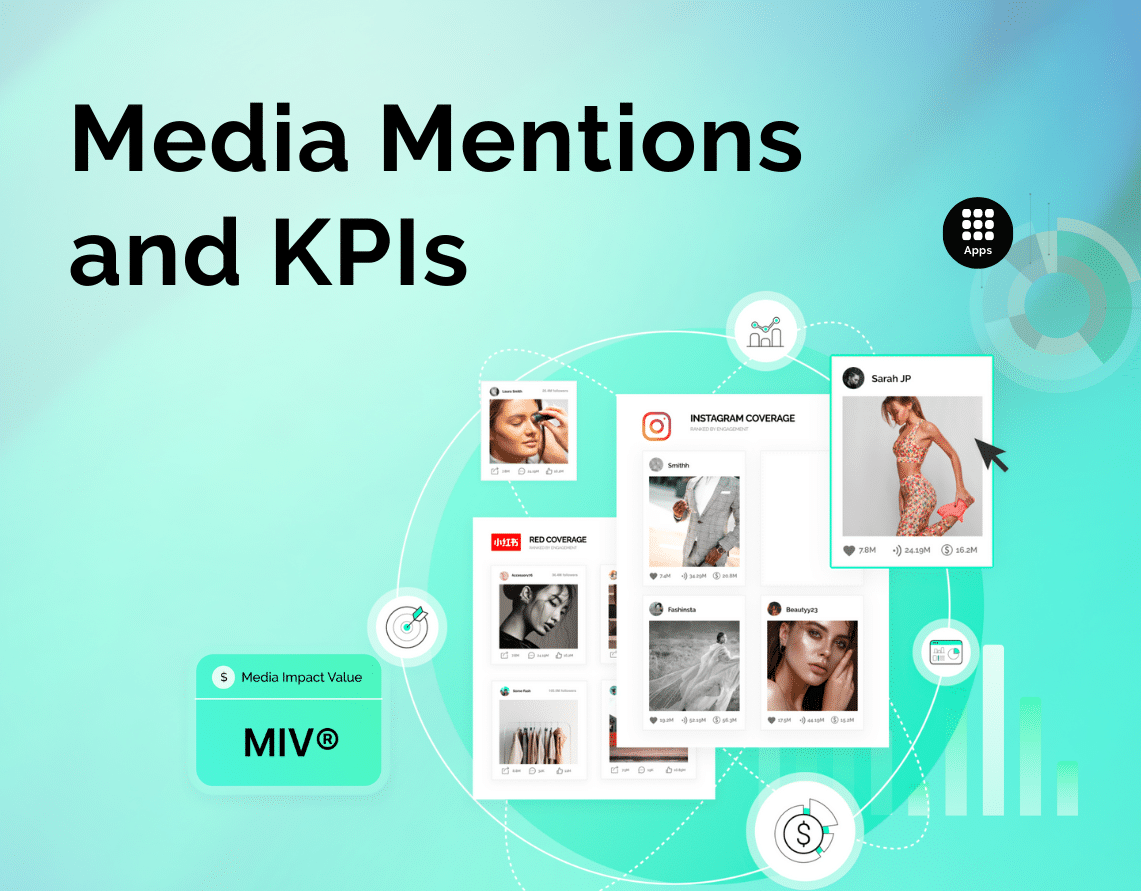
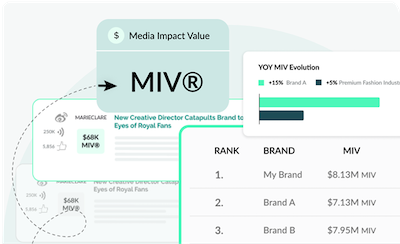
Raw data alone won’t tell you this, but if you tap into a standardized measurement system such as Launchmetrics’ Media Impact Value® (MIV®), you’ll have an actual dollar value tied to each Voice in your campaign. This allows you to truly measure the impact of your PR and marketing activities and create benchmarks to track future campaigns against.
Media Impact Measurement for Fashion, Lifestyle and Beauty Brands
What media should be tracked?
For FLB brands, it’s essential to monitor a variety of media outlets. Depending on your goals, certain platforms may be more valuable than others, but a well-rounded approach that tracks both traditional and digital media will give you a comprehensive view of your brand’s performance.
- Print Media: While digital media continues to dominate, print still holds significant weight in the FLB industries for brand reputation and awareness, with print magazines generally perceived as being higher in quality and authority compared to digital. Print also sticks in mind: 77% of consumers say print ads result in higher levels of recall.
- Online Media: Monitoring online mentions is crucial for understanding what’s being said about your brand in articles and blogs. Since online content often directly influences e-commerce purchases, it’s essential to track your digital presence.
- Social Media: Social platforms are where your audience lives. Whether it’s Instagram, TikTok or Weibo, tracking hashtags and mentions helps you understand real-time engagement and brand sentiment.
- Owned Media: Don’t forget to measure your own channels. These are touchpoints where you have direct contact with your customers. By monitoring your own platforms, you can track how your audience is interacting with your brand, allowing you to refine messaging and foster stronger, more personalized relationships with your customers.
By tracking across all these channels, you gain a holistic view of your brand’s media presence, ensuring you don’t miss key insights or opportunities.
Get 3 Months of Weekly Updates of Your Media Coverage Straight to Your Inbox
Build your media monitoring strategy
Media performance is one of the strongest indicators of brand equity, but formulating the right media strategy can be tough, especially considering how strategies and media Voices have evolved.
When it comes to creating your media monitoring strategy, here are a few things to keep in mind:
Know your goals
Media monitoring gives you a (potentially overwhelming) wealth of options on what to track and measure. Before you dive into a pool of data, define what your goals are. Are you aiming to increase brand awareness, understand your brand’s market positioning or drive e-commerce sales? Setting clear objectives from the start helps to shape your strategy and identify which metrics to focus on (we’ll talk about this in more detail)
Leverage technology
Tracking brand mentions manually across media sources isn’t just time consuming, it’s inefficient and opens the door for human error. Media monitoring software is your best friend here. These tools are specifically designed to help brands gather and analyze relevant data, saving you time while offering actionable insights. While these tools come at a cost, they quickly pay for themselves by streamlining your media tracking and providing a more accurate and comprehensive view of your brand’s performance.
Zoom in and out
Media monitoring shouldn’t be just a broad, macro-level exercise. While understanding the big picture is important, it’s also essential to zoom in on specific campaigns, events or marketing activities. This approach allows you to track the specific impact of particular initiatives and better understand how different strategies are performing. By focusing both on the overall performance and more granular details, you can fine-tune your strategy with precision.
Focus on quality, not quantity
The quality of the media coverage you receive plays a more significant role than the volume of coverage. For example, for a fashion brand, a feature in Harper’s Bazaar carries more weight than one in a less targeted magazine. Similarly, influencer partnerships should be evaluated not just on follower count, but on how well their audience aligns with your brand.
The format of the content also matters. Articles or posts that focus solely on your brand, have a much greater impact on brand equity than sharing the spotlight with other companies in a round-up article.

Use the right metrics to get a better understanding of the value of each of these placements. The standard metrics of reach and engagement have their place, but to maximize your media monitoring activities, think about extending beyond these. We’ll talk more about this in the following section.
Which metrics should you use?
Reach and engagement rates are valuable measurements of how well a piece of content or campaign has performed. But, depending on your goals, these may not be enough. For example, if your goal is to generate brand awareness, reach is your go-to metric.
But what if you want to know exactly how a sponsored influencer post on TikTok impacts your brand equity in comparison to, say, a feature in Vogue magazine?
Tracking both direct and indirect impact is key here. You might be measuring the engagement of your influencer’s post and think the campaign isn’t hitting its mark. However, when you uncover the full indirect impact using MIV and Voice Echo, you may realize that the campaign is actually creating a much broader conversation and generating far more brand awareness than you initially thought.
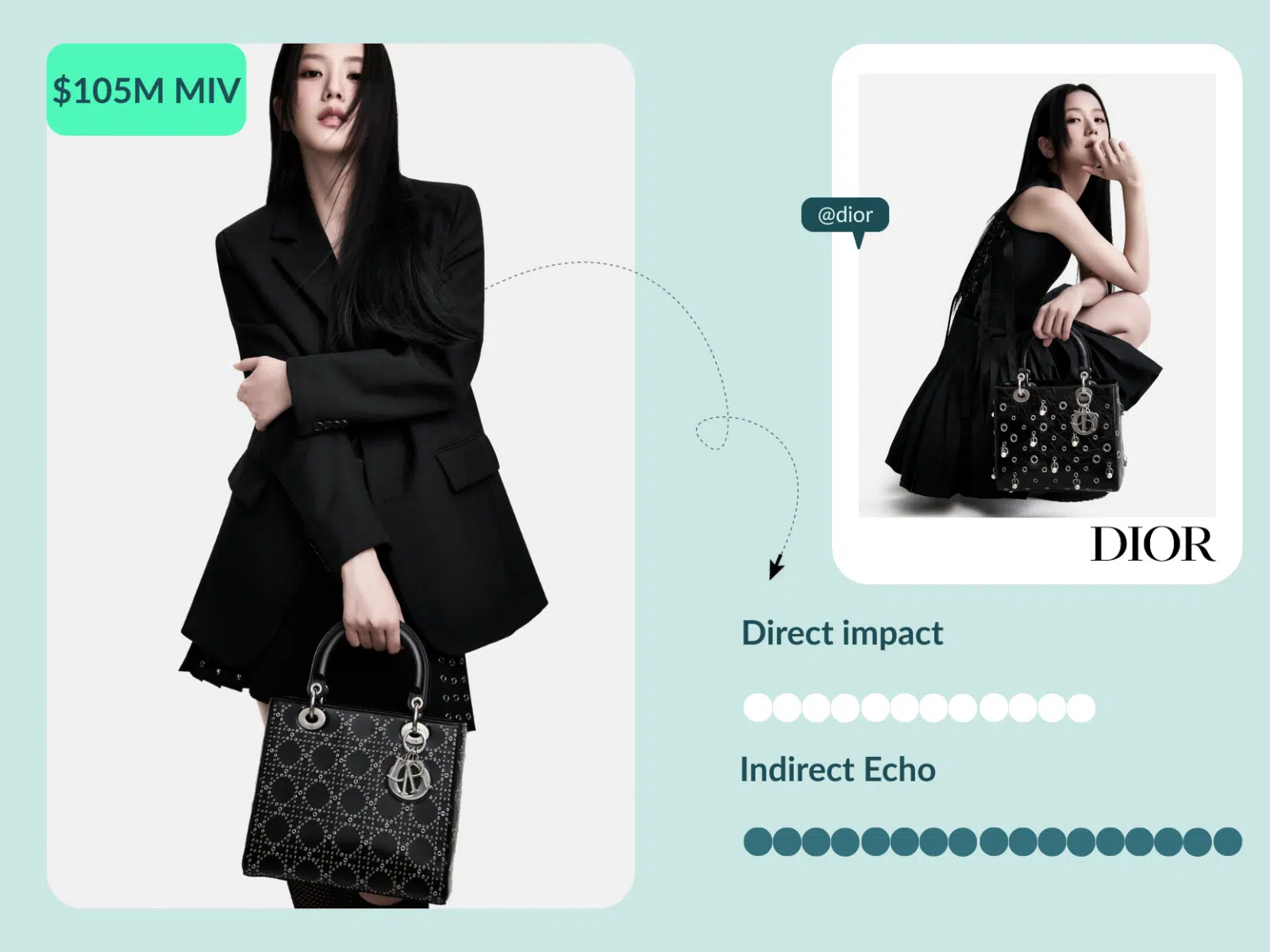
Voice Echo is our framework designed to track both the Direct Impact (the immediate impact of a content posted by an influencer or celebrity) and the Indirect Echo (the ripple effect created when media outlets, other influencers or even consumers amplify that content). This enables you to measure not just the initial buzz but also the continued conversations and amplified coverage that drive sustained brand equity.
Example: Jisoo x Dior
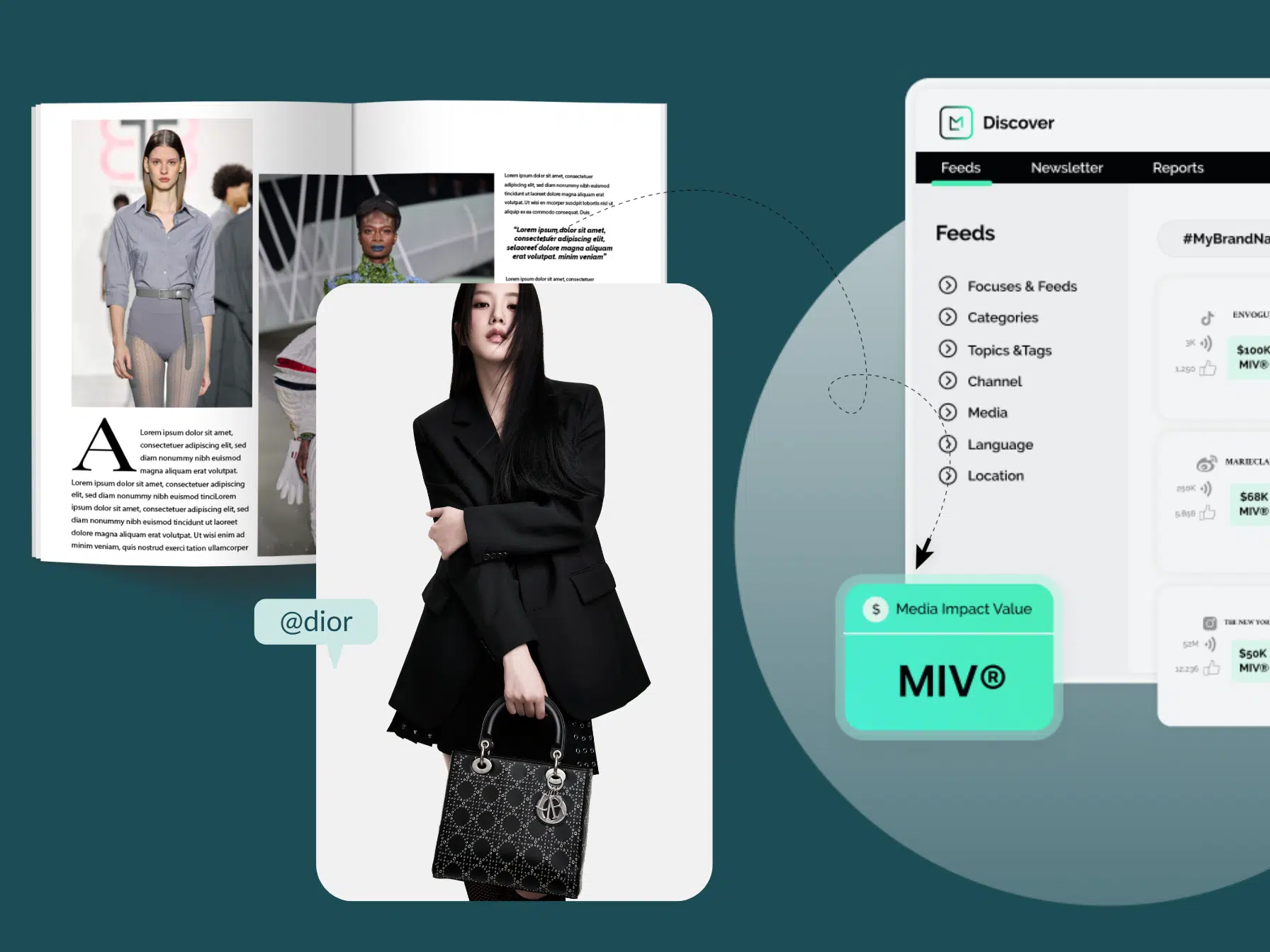
For example, as explored in our Brand Ambassador Marketing report, Jisoo’s campaign with Dior generated $34.65M in MIV from Direct Impact. However, the Indirect Impact—measured through Voice Echo—added an additional $67.2M in MIV. This shows how the ripple effect from media coverage and influencer amplification can significantly expand the value of the campaign, far beyond the original post’s direct engagement. By measuring both the immediate buzz and amplification, you get a clearer, more accurate picture of your brand’s performance, allowing you to optimize strategies and allocate resources more effectively for future campaigns.
These are just a few examples of how different metrics can be used to get a deeper sense of performance and help you reach your marketing goals.
How to choose the right media monitoring tools
In light of all the above, it’s clear that your media monitoring strategy has to be based upon and supported by the right tools. Such tools not only save you time but also provide you with KPIs and metrics that align with your goals and help you make better decisions.
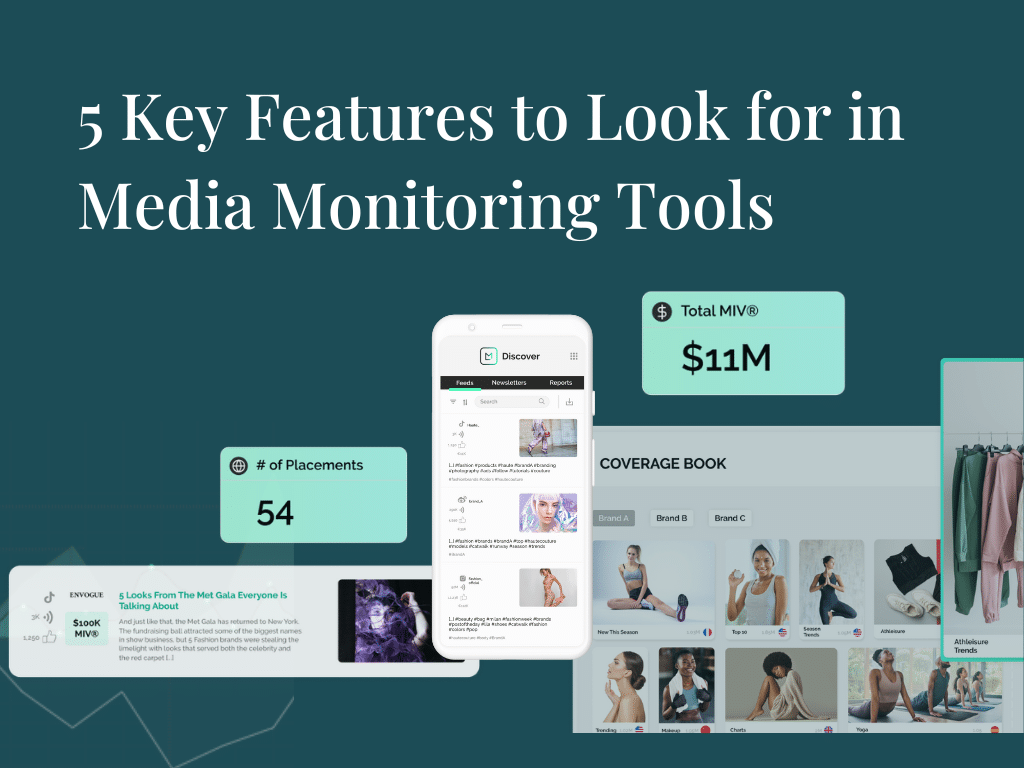
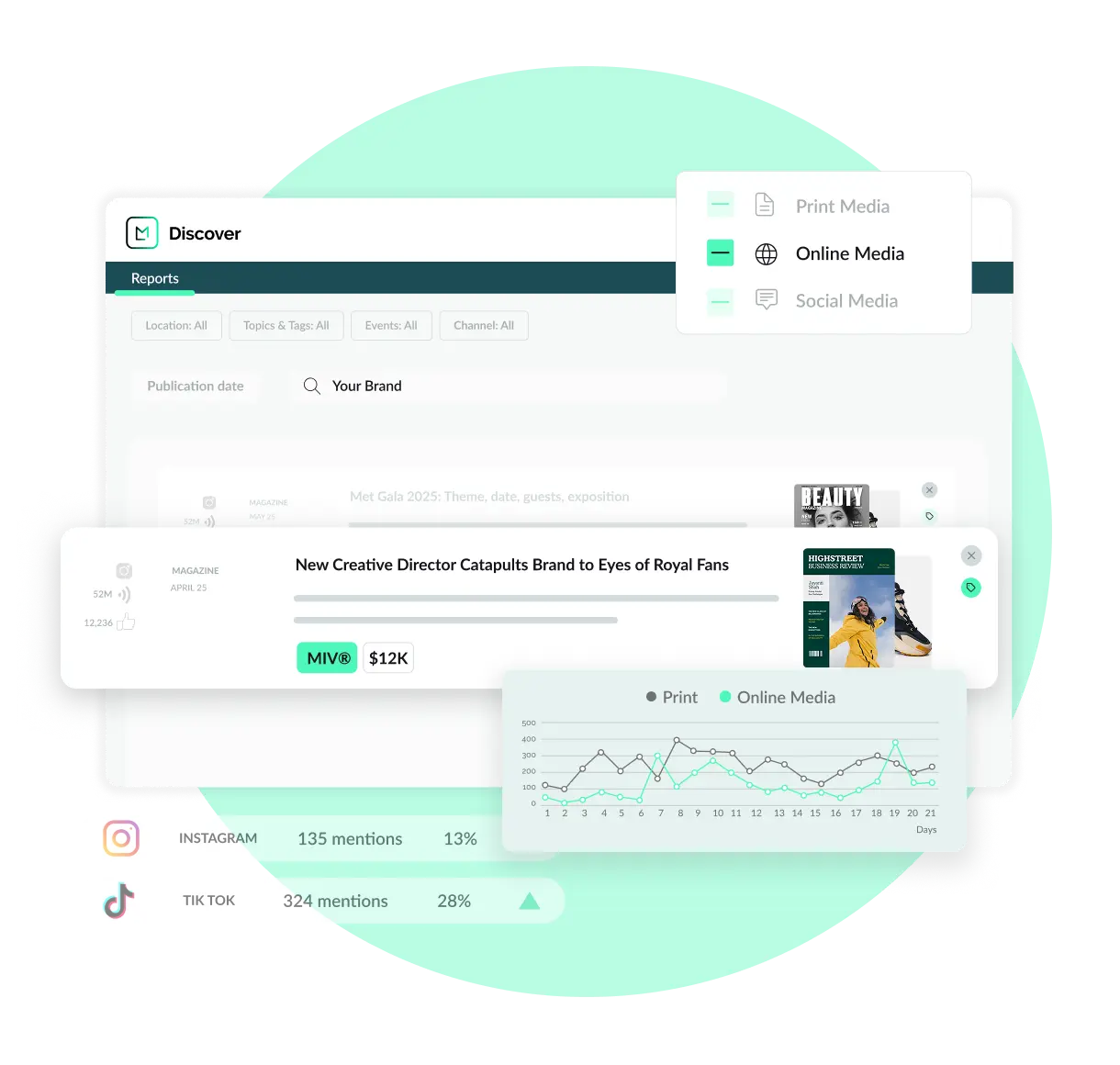
One thing to consider is whether the software tools you’re investing in are geared toward your industry. Industry-specific tools have several advantages. Looking at Launchmetrics’ Discover tool, it’s built upon an in-depth knowledge of the FLB sector, meaning it not only tracks the most relevant publications but weights them according to their influence.
When relevance and quality of coverage are taken into account, you can answer questions such as:
- Which channels really give you the biggest return on investment?
- In which regions are you performing the best?
- And who are your most valuable brand advocates?
The best tools will also provide you with comprehensive reports that allow you to evaluate the success of specific campaigns and events and benchmark your progress over time. With easy-to-edit and export charts and reports, your media monitoring activities can become a simple and streamlined process that informs your decision-making – without taking big bites out of your time.
Conclusion
With the growing complexity of media landscapes and the increasing need to track every touchpoint of your brand’s presence, understanding what’s being said and how it’s being shared can significantly impact your marketing efforts.
The right media monitoring strategy empowers you to measure brand performance effectively, ensuring that your PR and marketing investments are aligned with your objectives.
Ultimately, media monitoring gives you the clarity to make smarter decisions and better allocate your resources. By measuring the true impact of your campaigns, you ensure your PR and marketing activities are creating the results you expect, and allowing for adjustments where necessary to drive sustained success.
Find out more about Launchmetrics Discover for PR and Media Monitoring here.
Take Your Media Monitoring to the Next Level With Launchmetrics Discover
By Luna Weissman