Events are the blueprint behind cultural moments like fashion week, Beautycon and Baselworld. Done well, successful event management can achieve what advertising alone can’t: bringing your brand to life and connecting with your audience. But what about the experiences throughout your event calendar?
Brands and agencies are reimagining how they show up year-round. From Dune’s press previews to Fenty Skin’s livestreamed launch and Cartier’s intimate dinners, today’s Fashion, Lifestyle and Beauty events span multiple formats and audiences. Whether the goal is generating media interest, building meaningful connections with communities or strengthening customer loyalty, each experience demands precision—especially when VIP expectations are on the line.
As teams deliver across physical, digital and hybrid formats—often in multiple regions at once—execution has never been more complex. This raises a critical question: is your team equipped to meet the expectations that modern event management demands?
In this blog, we explore what successful event management looks like, five essential event types for you to leverage and how to deliver events with the clarity, control and creative freedom every brand experience deserves.
What is Event Management?
Event management is the complete process of planning, executing and measuring brand experiences. In the Fashion, Lifestyle and Beauty industries, events are essential for showcasing products, expressing brand identity and building relationships with key audiences like editors, influencers, important clients and consumers.
For PR managers, event coordinators and agencies, this often involves managing guest lists, seating arrangements, communication and attendance tracking, followed by a post-event review to understand the event’s overall success. That very success often hinges on post-event impact such as media coverage, influencer engagement, sample requests and sales—all of which help gauge how well the event resonated with key audiences.
Event formats typically fall into three categories: physical, digital and hybrid.
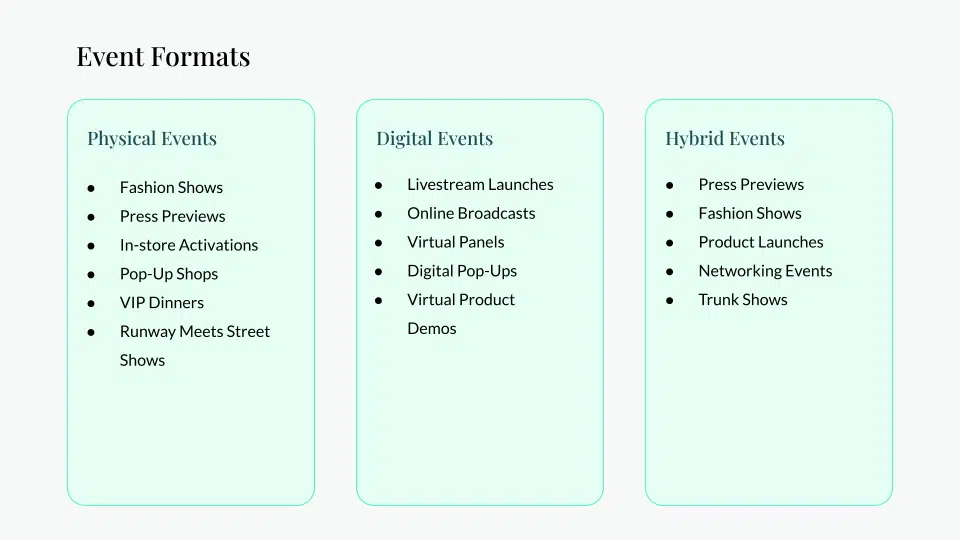
5 Key Event Types FLB Brands Can Host
Exclusivity still matters, but today’s events are expected to amplify their reach across regions, channels and audiences. Physical, digital and hybrid formats achieve this but each bring their own complexities—from on-site logistics to livestream access and global guest coordination. Let’s explore how to make them happen with successful event planning.
1. Exclusive Press Shows
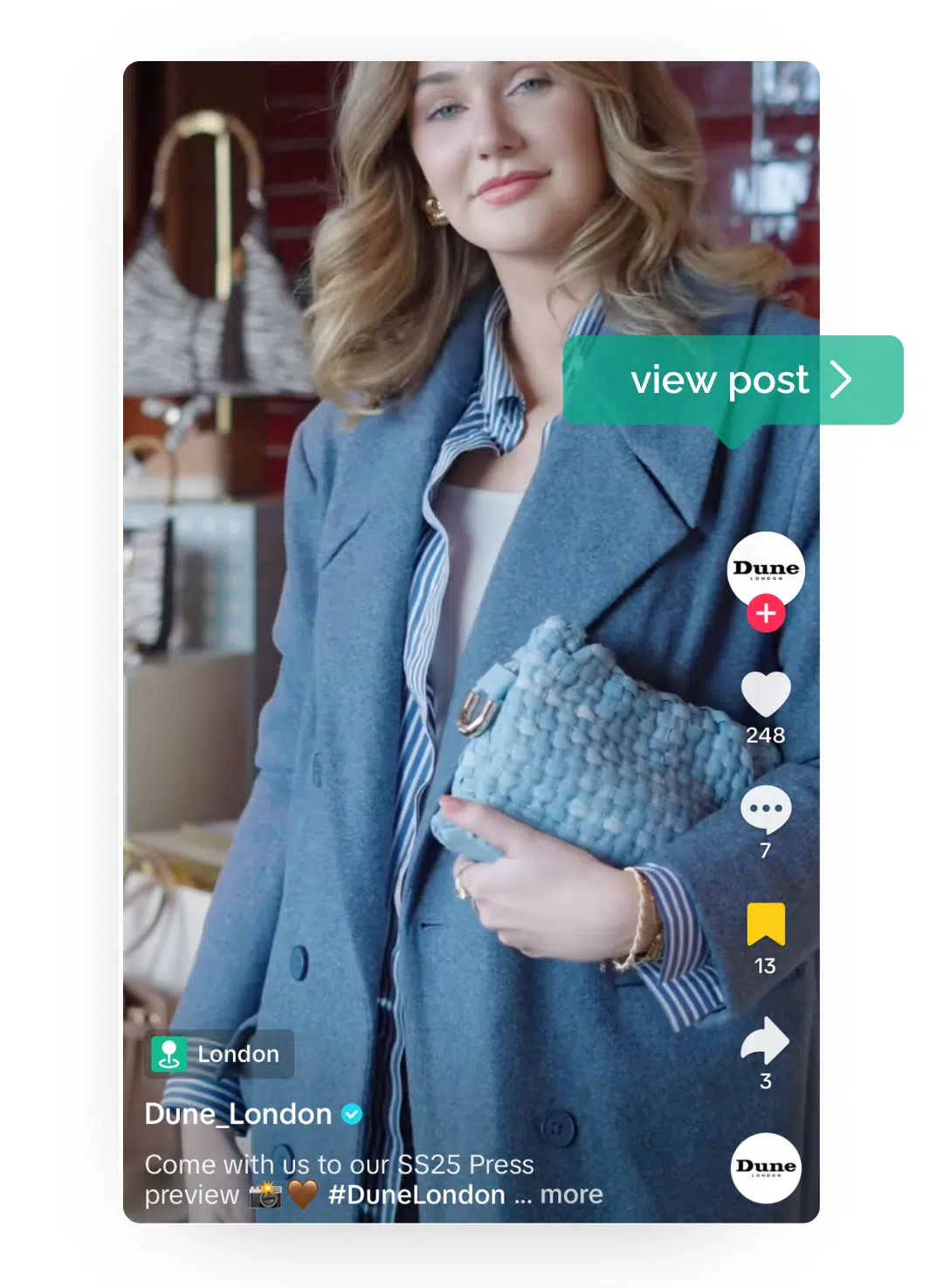
Press shows (or press previews) are high-touch events that give select Voices—such as Influencers and Partners—an early, often embargoed, look at upcoming launches. One brand doing this well is Dune, which previewed its SS25 collection earlier this year with a curated guest list of key media and creators. For fashion and beauty brands in particular, press shows are crucial for shaping how a product or collection story is told before it goes public. This helps to seed coverage, guide social narratives and build momentum ahead of campaign rollout.
With stakes this high, it’s common to run into familiar pressures: shifting regional lists, last-minute confirmations and heightened expectations from top-tier media. Event planning tools that connect the dots between invitation lists, guest status and ensure an efficient event check-in experience can simplify the process and reduce any margin for error.
Example in Action: A beauty brand is running a press preview for a new skincare line. With an integrated event management system, they can ideally segment their guest list by region and role, send branded invitations, monitor their VIPs within their RSVPs and export post-event reports—all from the same platform. This level of coordination keeps teams agile and informed, helping them plan smarter over time by building on guest data and insights from every event.
Press Show Event Planning Essentials:
- Targeted invitations based on category, role or region
- Branded RSVP emails and scheduled follow-ups
- Guest tiering and VIP tagging
- Accurate RSVP tracking
- Post-event attendance reports
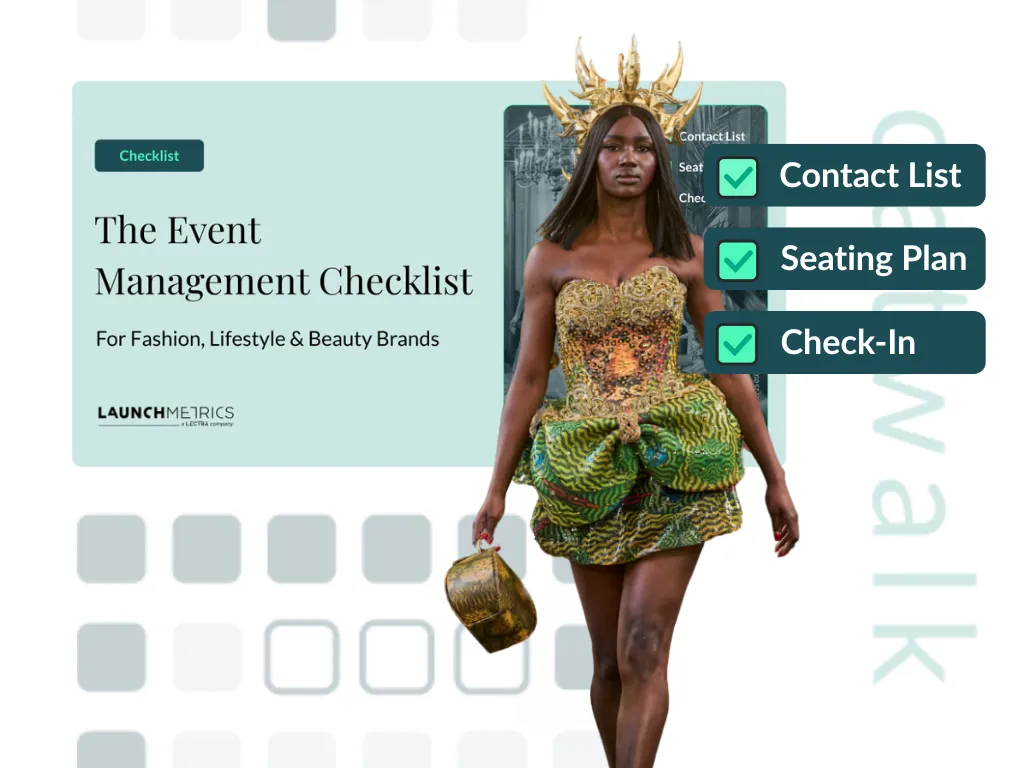
Tip: Check out our event planning checklist for Fashion, Lifestyle and Beauty brands for a smarter way to plan your events.
2. Digital and Hybrid Broadcasts
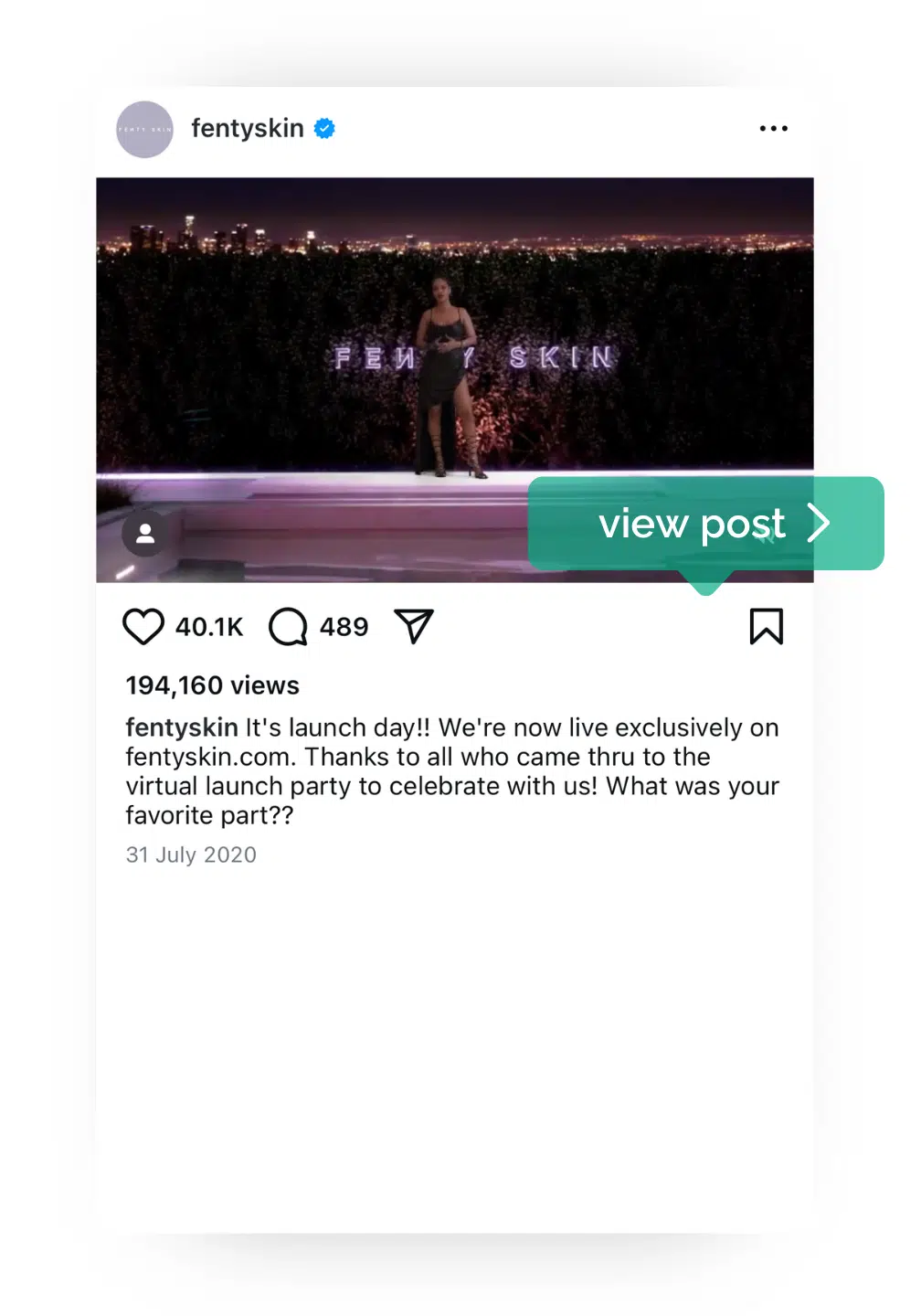
Digital broadcasts help to create buzz in an accessible way, particularly when unveiling capsule collections or collaborations. One of the most notable examples for the books was Rihanna’s Fenty Skin Virtual Launch Party, where the brand launched its line through an engaging and interactive digital experience. Hosted by Rihanna herself, the livestream also featured special guests including Lil’ Nas X that captured widespread attention online and across social channels. This drove brand awareness, social engagement and stirred product demand ahead of its official release.
Alternatively, digital broadcasts can be made exclusive to select audiences, offering a more flexible and accessible way for guests to attend and engage with the event. Whether solely digital or hybrid, these still rely on speed, precision and flawless execution across multiple teams and audiences.
Managing personalized access, tracking attendance and delivering a meaningful post-event experience are some of the common challenges in digital-first event execution. It’s why having an integrated event management infrastructure behind the scenes is crucial.
Example in Action: A global sportswear brand debuts a limited-edition capsule through an invite-only livestream. With a unified event management tool, the team can easily curate guestlists, monitor RSVPs and host the event on a branded digital page. After the broadcast, the page can transition into a post-event hub with replay content and sample request forms. Meanwhile, internal teams pull reports to analyze turnout, engagement trends and follow-up priorities—backed by clear, actionable insights.
Digital and Hybrid Broadcast Event Planning Essentials:
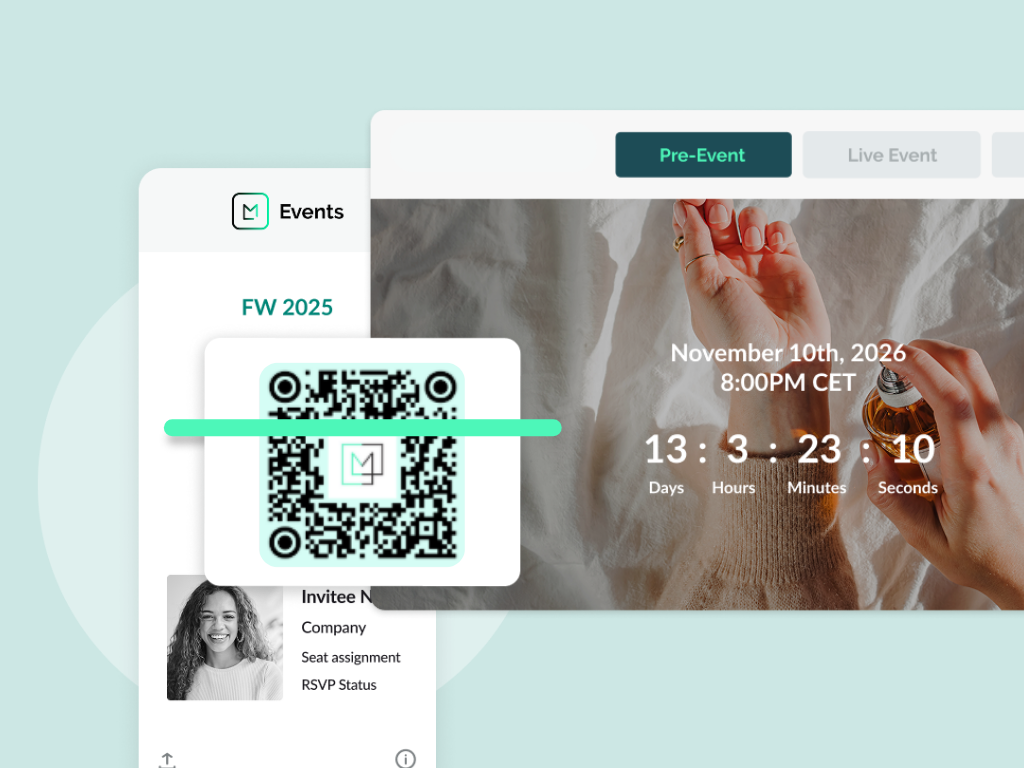
- Branded digital event pages with pre-, live and post-launch states
- Personalized access links for editors, influencers and partners
- Post-event content hosting and replay
- General post-event reporting
3. Store Experiences & Pop-Ups
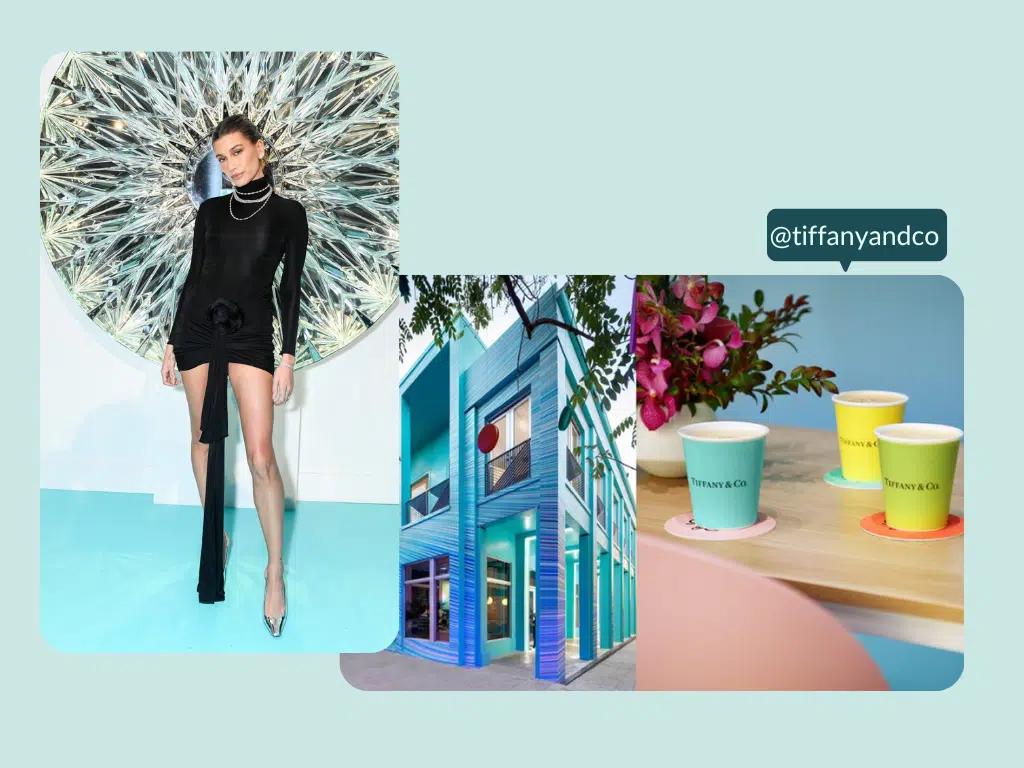
These events are designed to bring the brand to life by inviting consumers, influencers and press into immersive physical spaces like flagship stores or pop-ups. From product previews to meet-and-greets, they offer high-impact moments at street level, often tied to product launches or brand collaborations. A standout example comes from Tiffany & Co, who activated a pop-up during Art Basel Miami with an exclusive VIP party attended by celebrities and influencers. With immersive design, festive details and curated try-on experiences, it demonstrated how pop-ups can fuel brand momentum and create meaningful brand moments.
But coordinating high-profile guests in a fast-paced, visually driven environment brings its own set of challenges. With editors, influencers and clients often arriving within the same window, internal teams need to stay tightly aligned—ensuring VIPs are prioritized, teams are aware of guest arrivals and check-in feels like a first-class experience itself. Given the scale and visibility of these events, flawless execution must lead to measurable impact. These moments often drive media coverage, influencer content and brand exposure, making it essential for teams to capture that value, report on performance and prove ROI.
Example in Action: When different audience types are flowing through the same space, each with different expectations, flawless coordination is paramount. For instance, a sportswear brand may launch a new athleisure capsule with celebrities, influencers and press arriving at staggered intervals before opening the doors to the public.
By using one system to categorize contacts, manage RSVPs and scan attendees in a secure way, the team can prioritize VIP check-ins and monitor capacity in real time. Following this large-scale operation, most stakeholders will be interested to learn the ROI and success of these events. With a Brand Performance Cloud like Launchmetrics, internal teams can track event performance and go deeper into the value of their strategic partnerships. For instance, they can use media monitoring to explore which Voices drove the highest engagement and media impact post-event.
Store Experiences & Pop-Ups Event Planning Essentials:
- Branded RSVP pages
- QR or RFID entry to manage footfall & identify VIPs
- Post-event attendance and engagement reporting
4. Private Sales & VIP Appointments
Private events for important clients, stylists or brand ambassadors are built on exclusivity—from clienteling dinners to private viewings. These moments are about deepening relationships and offering tailored, high-touch experiences that require seamless coordination and discretion.
Example in Action: A fine jewellery brand hosts a series of trunk show appointments for top clients before a campaign launch. With internal visibility boundaries set in place in your event management system, sales, PR and client service teams can each focus on their own guests throughout the event process. QR code and app-based check-ins can also fast-track entry and discreetly notify staff when priority clients arrive.
After the event, teams can pull insights into who attended and what follow-up actions are needed, from gifting to content amplification. These smaller-scale activations may not drive mass buzz, but they’re essential for loyalty and unlocking long-term revenue opportunities.
Private Sales & VIP Appointments Event Planning Essentials:
- Restricted guest list access by internal team
- ID-based check-in for VIPs
- Personalized appointment scheduling
- Attendance and engagement reporting for follow-up
5. Fashion Shows
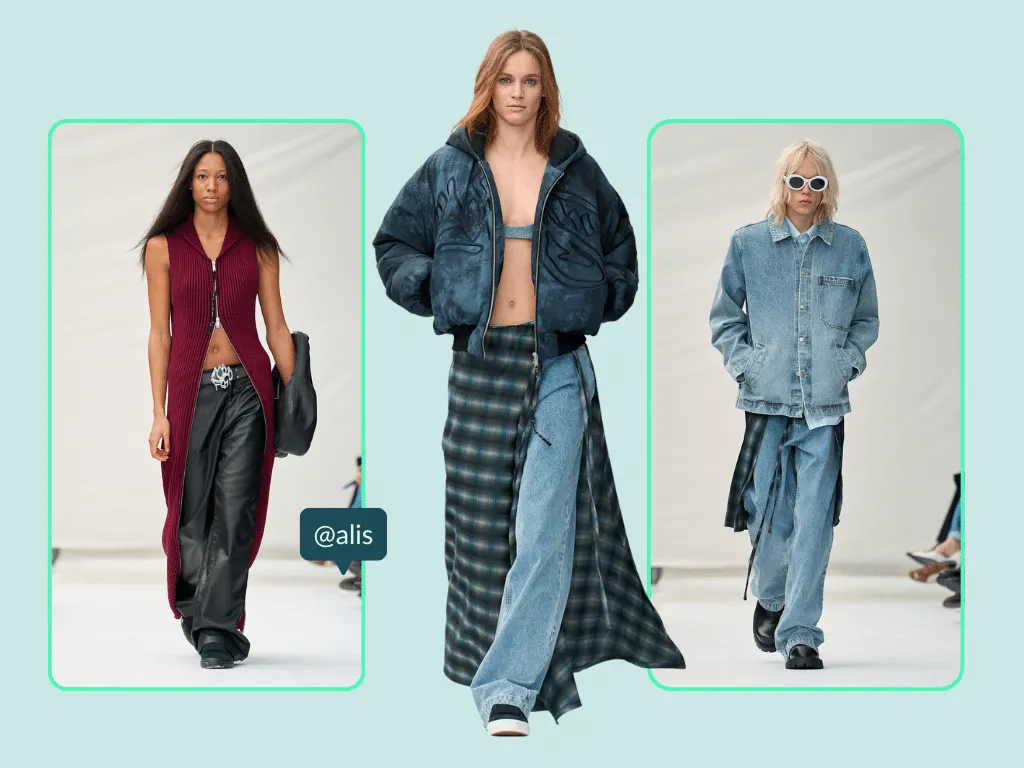
Fashion shows are the ultimate brand statement, where storytelling, craftsmanship and cultural influence converge in real time. These events are becoming more hybrid and demand precision, especially when you’re hosting global editors, stylists, celebrities and VIP clients in one space—the very Voices who help drive some of the highest media impact of the year during Fashion Week. (Explore the full FW 2025 Media Impact Value® (MIV®) report breakdown here.)
Being able to execute flawlessly under time pressure, while capturing the full impact afterward, requires more than spreadsheets and fragmented tools. This is where event management and media monitoring elevate the entire operation.
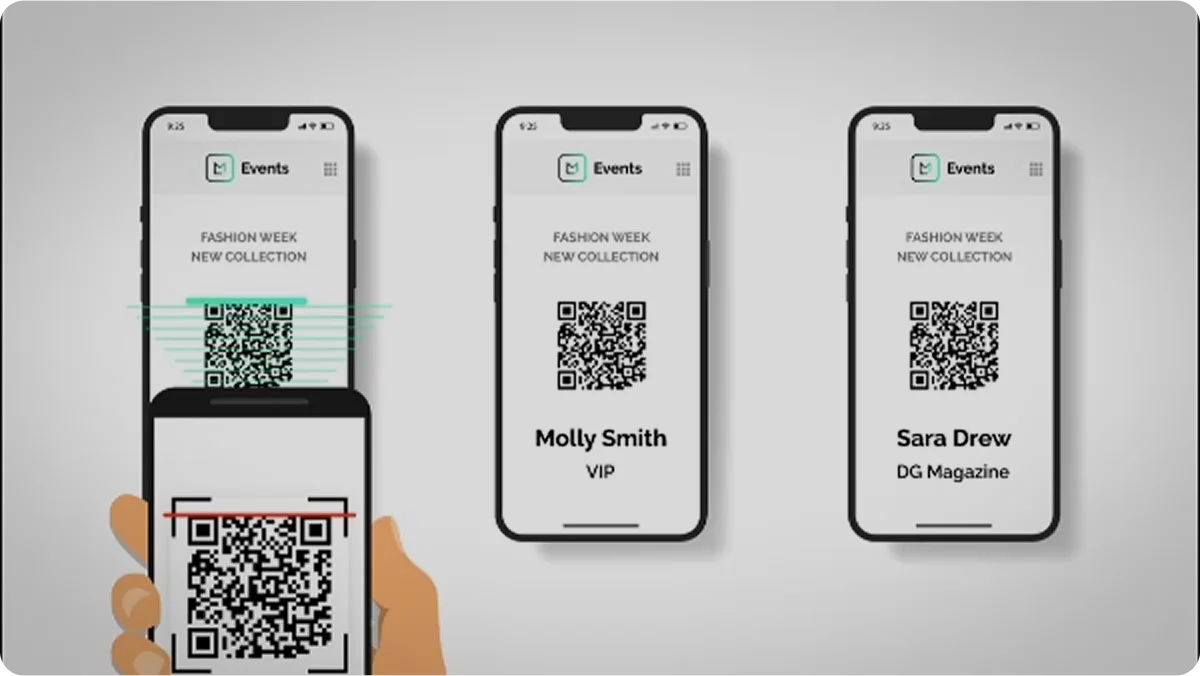
Example in Action: When multiple departments are managing different aspects of the guest journey, keeping everything aligned in real time becomes critical. Take Milan Fashion Week: a global fashion house might use one system to oversee digitalized seating for each department’s guests, host invite-only livestreams and ensure secure on-site check-ins. Once again, hosts can use devices for check-in with QR codes and RFID scanning for larger-scale events and obtain post-show reports to help measure which Voices contributed the most MIV from this hybrid event.
Fashion Shows Event Planning Essentials:
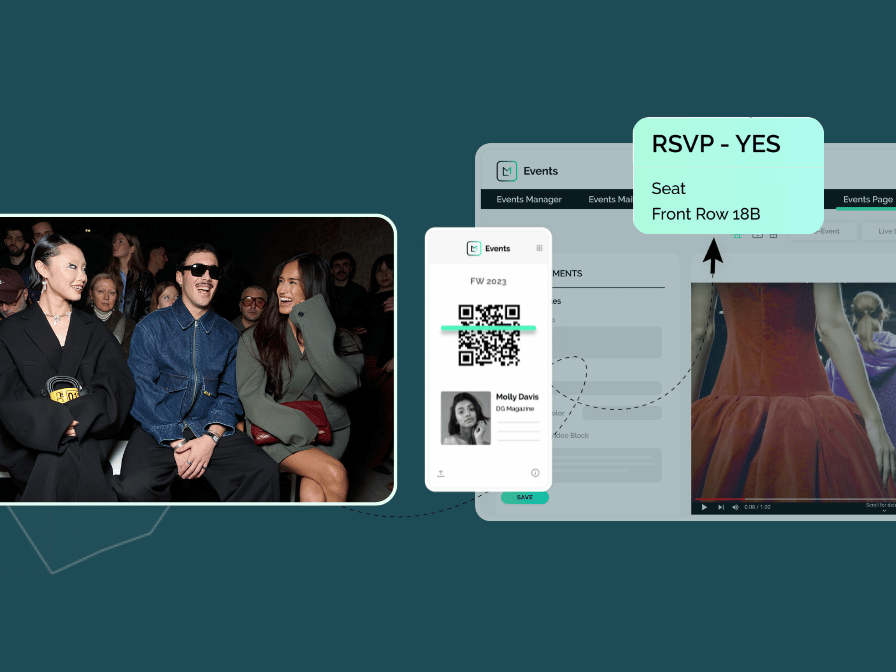
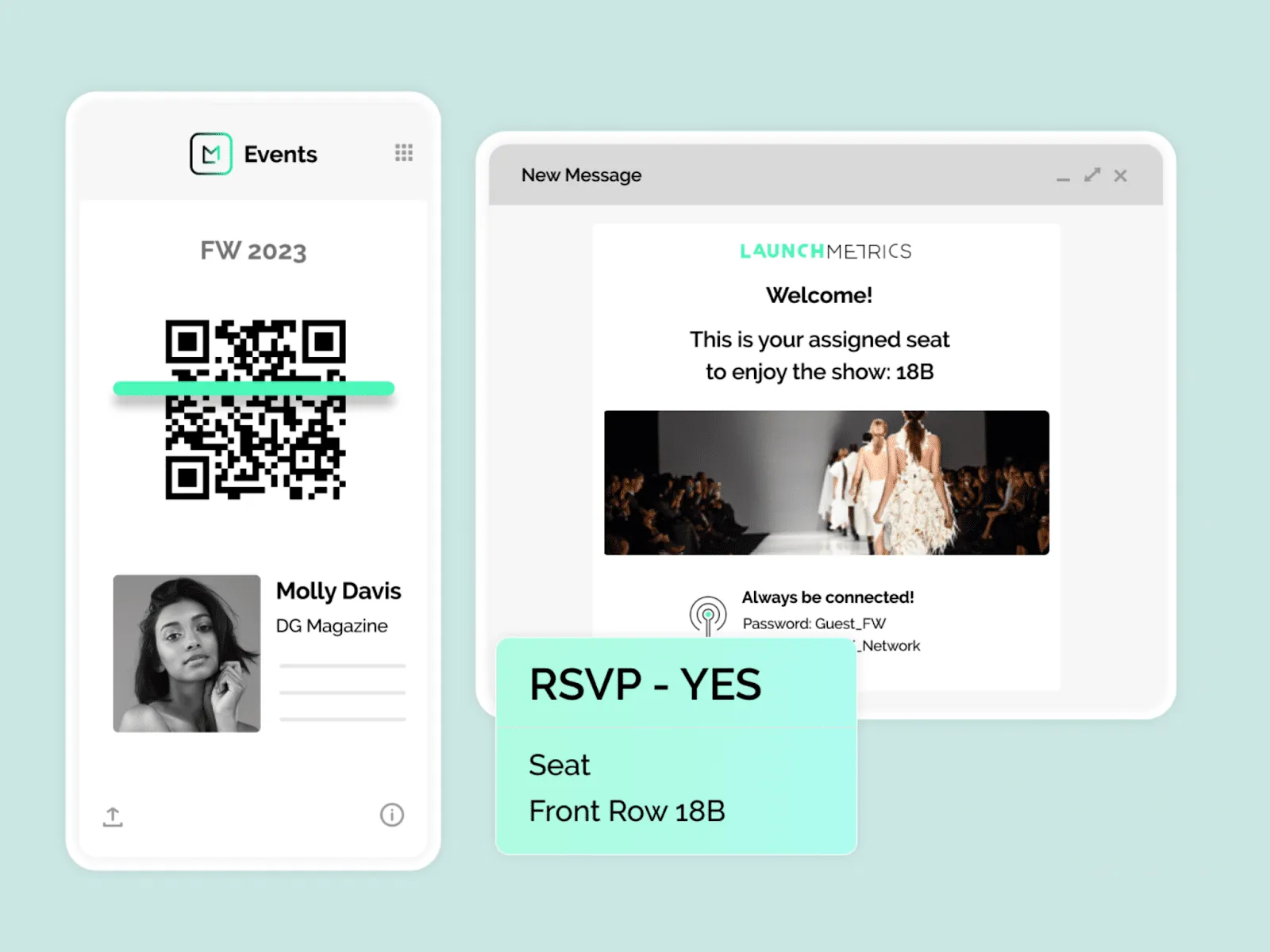
- Interactive seating charts and guest tiering
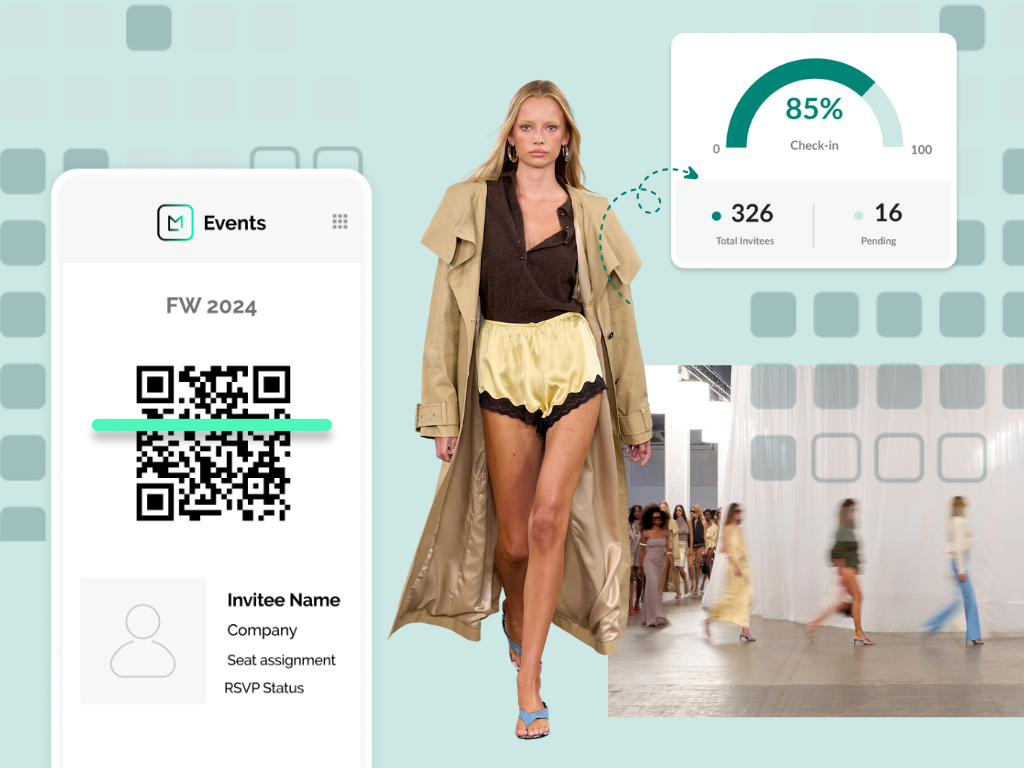
- RFID or QR code enabled invitations and check-in
- Cross-department collaborations
- Post-show reporting and MIV analysis
Event Planning Software for Fashion, Luxury and Beauty Brands
To ensure your teams are empowered to host multi-format events, it’s important to leave manual processes and siloed tools behind and invest in software that consolidates a majority of logistics when planning events. Built specifically for Fashion, Lifestyle and Beauty, Launchmetrics event management software helps brands manage everything from:
- Centralizing and segmenting guest lists
- Creating interactive, digital seating charts
- Automating branded invitations and RSVP flows
- Managing secure livestream access
- Enabling seamless check-in with RFID and QR code scanning
- Generating post-event reports based on RSVP data, attendance and guest engagement
But what happens after the last guest leaves matters just as much. With our proprietary metric, Media Impact Value® (MIV®), brands can go beyond attendance numbers to understand which Voices—whether it’s Media, Influencers, Celebrities, Partners or your Owned brand channels—actually moved the needle. In other words, MIV quantifies the impact of your event across social, online and editorial coverage, helping you report on visibility, benchmark performance and optimize your investments for the next campaign.
Watch Vogue Succeed in Their Event Management Process
As expectations grow and formats diversify, each event offers an opportunity, not just to make an impression, but to learn what resonated, who engaged and how to do it better next time.
How to Digitize Event Management Without Losing the Luxury & Personal Touch
The most successful teams don’t just manage events. They look at every touchpoint, every check-in and every post shared and turn those signals into insight. And while every event is different, the foundation for getting it right is always the same: clear planning, unified systems, cross-functional coordination, actionable insights and room to adapt.Want to know how publishers like Vogue are redefining digital and physical event management? Watch our webinar to learn how they’re using Launchmetrics’ Events to deliver standout experiences.
By Pawandeep Kaur