In S1 2025, retail partners generated a massive $1.1B in Media Impact Value® (MIV®) for brands in fashion, beauty and sportswear. This figure reveals just how powerful retailers have become at building brand equity and driving visibility across both owned and earned channels.
Once seen simply as sales channels, retailers have become storytellers in their own right. Now, they’re helping brands reach audiences in ways that are not only engaging and authentic, but also highly measurable.
So, if you’re not leveraging retail x and brand partnerships to reach new audiences, boost visibility and accelerate your growth, you’re missing out on a huge opportunity. One that, in an extremely competitive market, you can’t afford to miss out on.
Join us as we delve into why retail x brand partnerships matter, outline the key partnership models shaping the fashion and beauty industries, and provide a framework for building a successful strategy—drawing on real-world brand partnership examples and data-backed insights from Launchmetrics’ Maximizing Retail Partnerships Report.
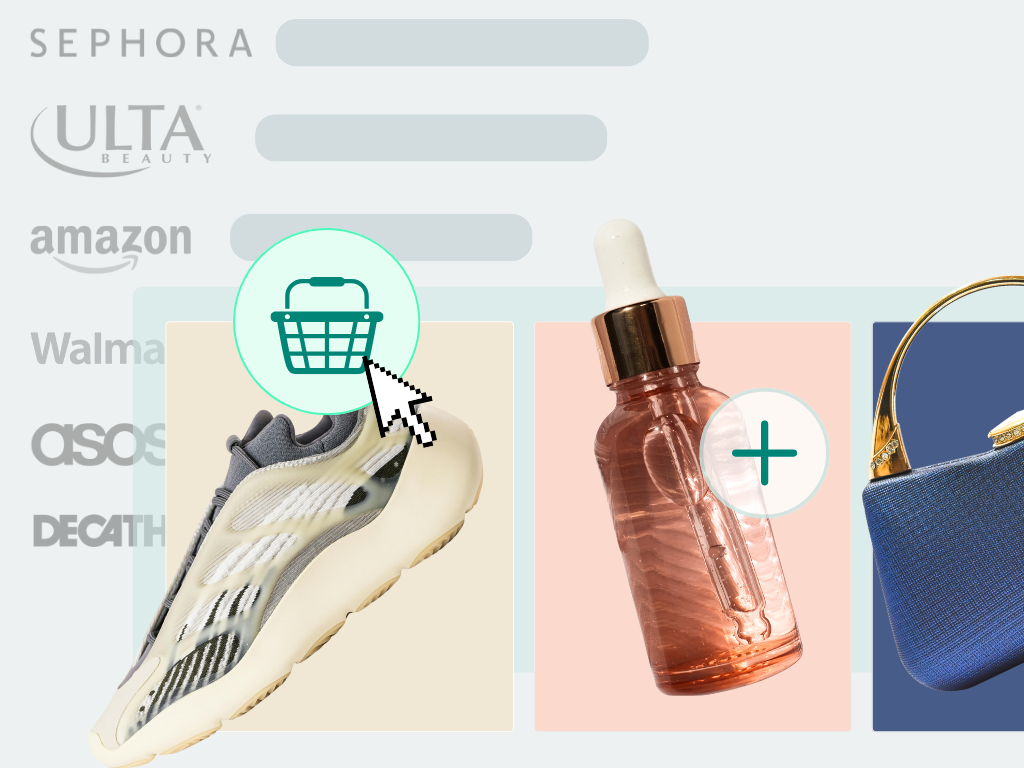
Maximizing Retail Partnerships:
How Fashion, Sportswear and Beauty Brands Are Leveraging Retailers to Accelerate Visibility and Growth
What Are Brand Partnerships (and Why Do They Matter?)
Brand partnerships are strategic collaborations between two or more complementary brands that combine their resources, audiences and expertise to achieve shared goals. Today, these partnerships play a key role in driving awareness and engagement across digital and retail channels.
At Launchmetrics, we define the Partner Voice as one of the five key Voices guiding the customer journey today. (The others are Celebrities, Influencers, Media and Owned Media—you can read more about these Voices here). The Partner Voice measures the visibility generated by retailers and collaborators, revealing how much brand exposure comes from external partnerships.
Now, let’s say you’re looking to build awareness for a new product; your first thought might be to launch an Influencer campaign or secure press coverage in a top Media outlet like Vogue or Harper’s Bazaar. However, the Partner Voice shouldn’t be overlooked.
Despite a 13% year-over-year decline in overall retail MIV from S1 2024 to S1 2025, the top 50 retailers have achieved 66% growth over the past three years, proving the long-term potential of partnership-driven visibility. In today’s value-driven market, partnerships offer both creative collaboration and measurable ROI, making them one of the smartest ways to strengthen visibility and stay relevant over time.
The Main Types of Retail x Brand Partnerships (with Data & Examples)
Retail x brand partnerships can take many different forms. From co-branded campaigns to retailer collaborations, each type of partnership plays a distinct role in shaping brand visibility.
Below, we’ll take a look at each main type along with some brand partnership examples that highlight their real-world application.
1. Retail x Brand Partnerships for Campaigns
When brands team up with well-aligned retailers, campaigns tend to perform exceptionally well. Retailers hold a unique advantage: they combine extensive resources, a large reach and high consumer trust, enabling them to significantly amplify a brand’s visibility and impact. Think Sephora, which recently overtook Walmart as the most impactful retailer by MIV, generating $1.2B in S1 2025.
Example:
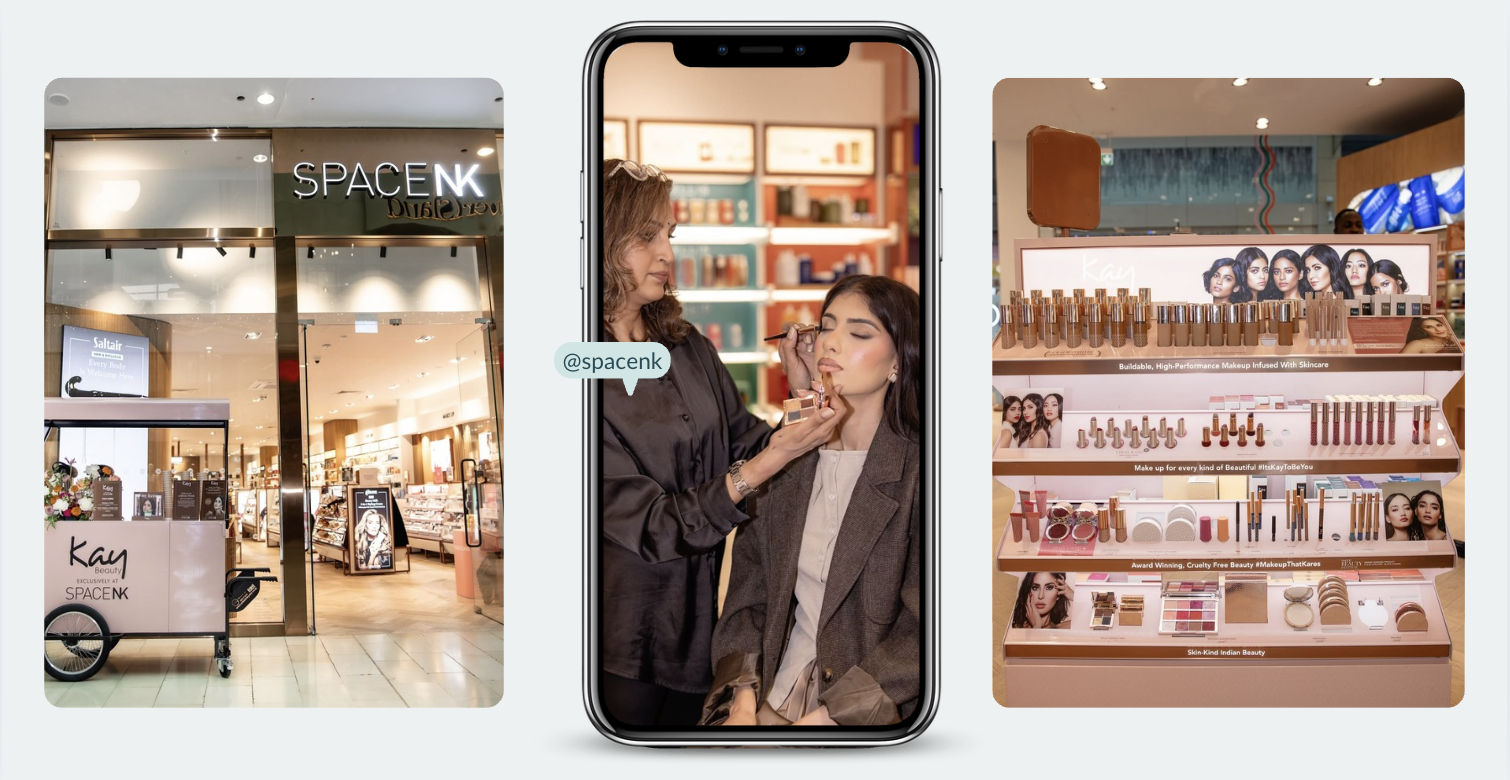
Luxury beauty retailer Space NK doesn’t merely sell beauty products: the self-proclaimed “number one beauty dreamland” is also a visibility powerhouse for the brands it stocks.
As detailed in our report, brands received 25.44% more value on average from placements by Space NK than from their owned media. (See the “Real-World Examples of High-Impact Partnerships” section below for the full story detail.) What this tells us is that retailers are now powerful Voices in the visibility ecosystem—Voices that discerning brands can actively leverage to amplify their impact.
Why It Matters:
Retailers now act as both sales and visibility partners, helping brands strengthen awareness, credibility and conversion. When integrated into a broader brand partnership strategy, retail collaborations offer measurable ROI and long-term audience engagement.
2. Retail x Brand Exclusive Product Drops or Line Launches
Beyond general campaign collaborations, exclusive product drops or line launches with retail partners can deliver exceptional short-term visibility and engagement. These activations leverage the retailer’s reach and credibility while at the same time generating buzz through exclusivity. It’s a formula that often drives large spikes in MIV in a short space of time.
Example:
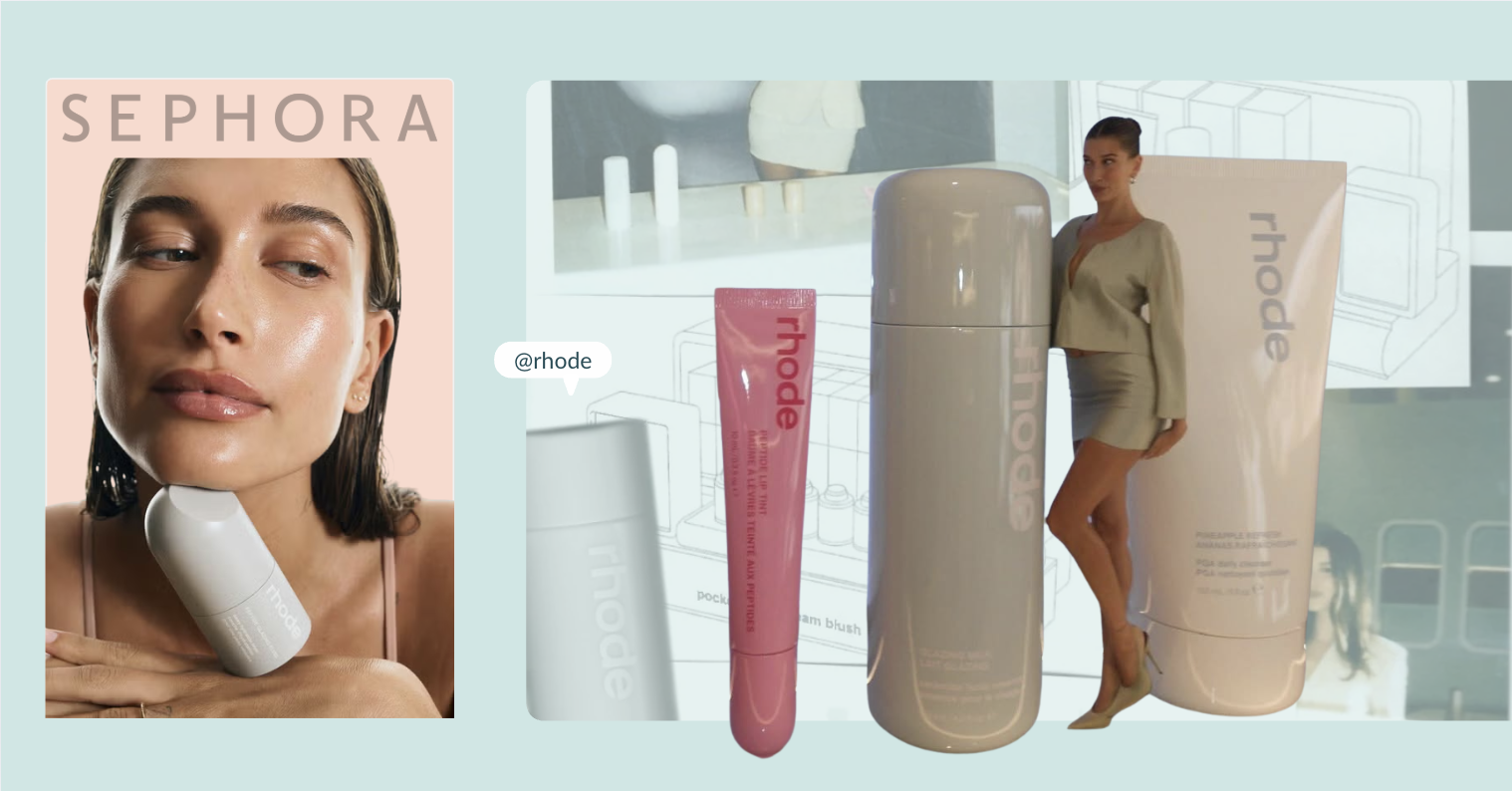
The Rhode x Sephora exclusive product launch is a masterclass in effective retail x brand partnerships. In just 48 hours, the collaboration generated $10.2M in MIV from nearly 1,000 posts.
Hailey Bieber herself drove almost $1M in MIV from two Instagram posts, while Rhode’s Owned Media ranked as the #1 value driver. Sephora followed closely, ranking among the top three drivers of MIV. Influencers Glamzilla and Mikayla Nogueira helped amplify the buzz across TikTok, and even Justin Bieber’s single post contributed an additional $386K in MIV.

Why It Matters:
Partnering with the right retailer transforms a launch from a simple product drop into a story worth sharing. It’s a reminder that visibility doesn’t just come from volume, but from the right balance of Voices.
3. Cross-Retailer Partnerships
Recently, we’ve seen a trend of retailers partnering with other retailers as a way to broaden their reach and tap into new target markets. These kinds of cross-retailer partnerships challenge traditional notions of competition, showing that even rival retailers can benefit from shared visibility. They can also be used for repositioning and to shift brand perception.
Example:
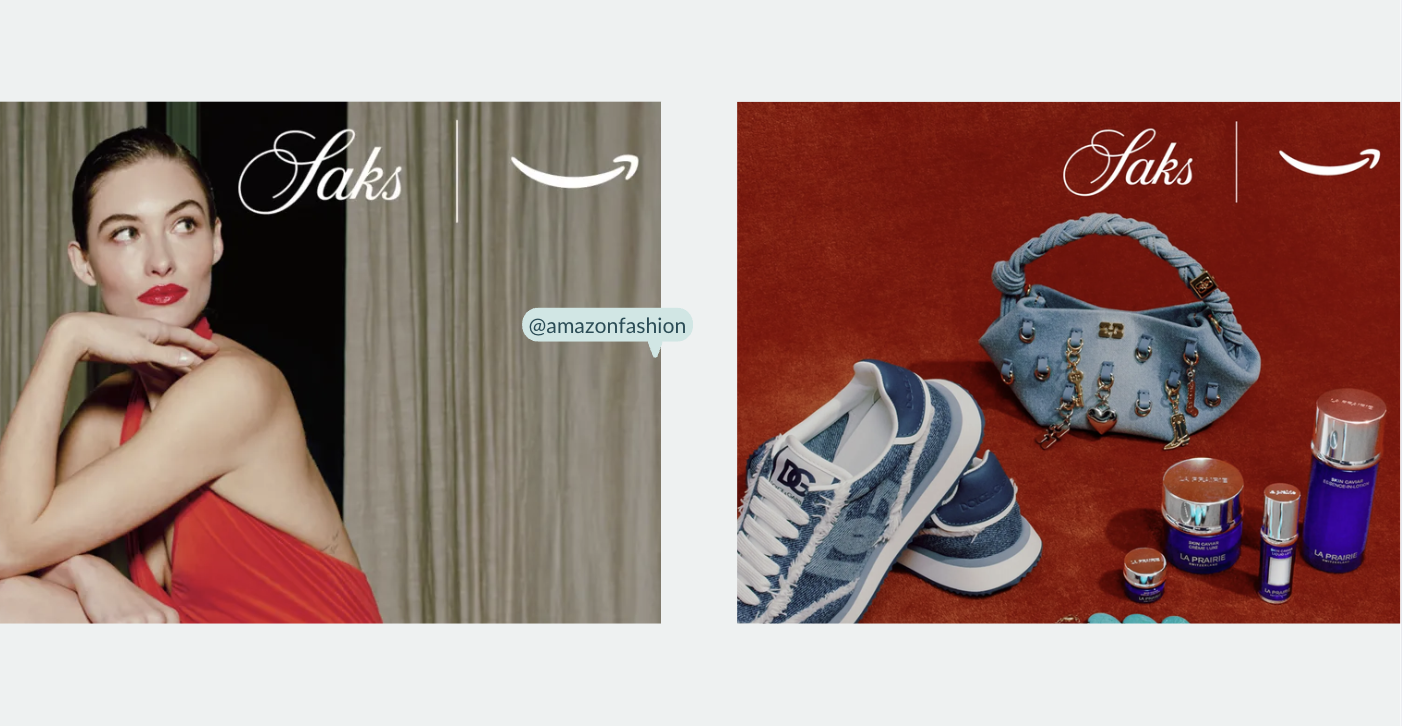
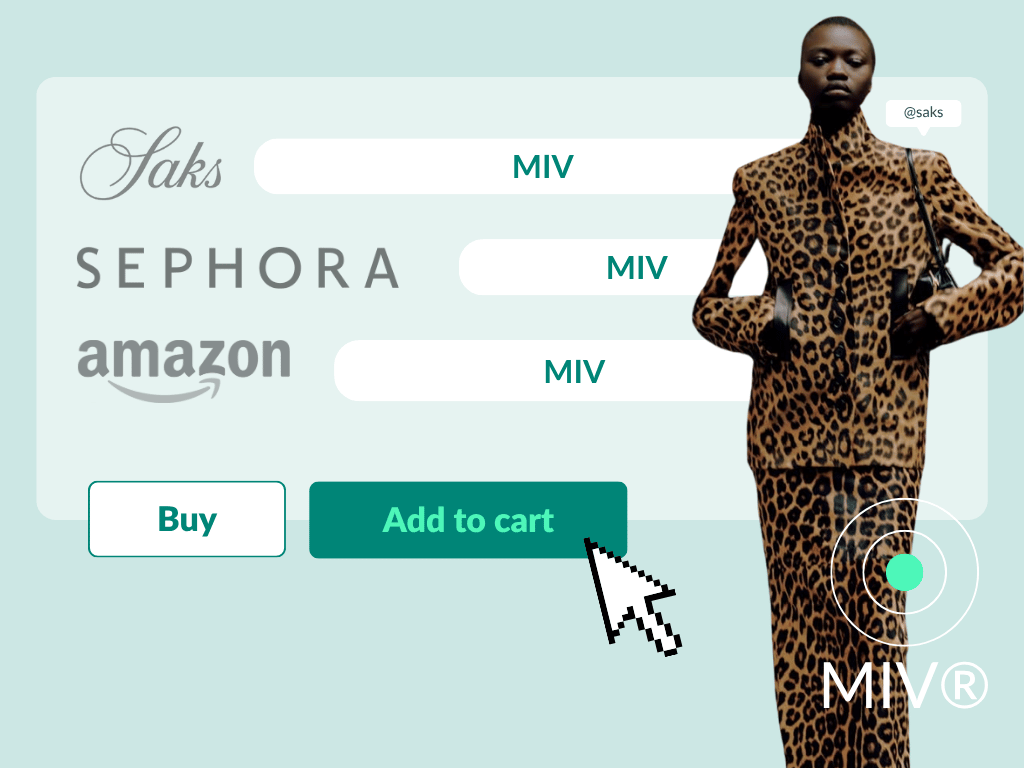
The Amazon Fashion x Saks campaign shows how unexpected retailer-to-retailer collaborations can bring impressive results. Launched earlier in 2025, the initiative proved mutually beneficial: Saks saw 191% more MIV per placement when mentioned by Amazon than in its own posts, while Amazon gained 260% more MIV when featured by Saks. The results speak for themselves: when two complementary retailers align strategically, they amplify reach and create exponential visibility for both sides.
Why It Matters:Cross-retailer partnerships demonstrate that collaboration can surpass competition. It’s a different way of thinking: by leveraging each other’s audiences and credibility, retailers can unlock new growth opportunities and strengthen brand perception across shared markets.
The Benefits of Retail x Brand Partnerships
- Exponential Visibility
Retail partners alone drove over $4.8B in MIV in S1 2025 across fashion, beauty and sportswear, demonstrating the massive visibility boost that collaboration can deliver. - Audience Expansion
Cross-partnerships open doors to new markets, audiences and demographics, helping brands reach consumers they might not have accessed on their own. - Enhanced Credibility
Brand partnerships are a way to leverage the power of association. Aligning with high-authority partners elevates your brand in the eyes of consumers, strengthening trust and brand equity and highlighting shared values. - Creative Efficiency
When you partner with other brands, creators or retailers, your pool of resources expands. This means you can tap into budgets, expertise, creative assets, technology, distribution channels and data that you otherwise wouldn’t have access to. As a result, you can reduce campaign costs while increasing ROI. - Strategic Insights
Successful partnerships rely on understanding what’s working and why. By tracking performance and measuring impact, brands can identify which collaborations truly drive results. Tools like Launchmetrics Insights help brands see which partnerships deliver the strongest visibility and engagement across channels, allowing them to optimize future campaigns. - Sustainable Growth
Measured, data-driven collaborations create long-term value, not just short-term buzz, helping brands build deeper relationships and sustained visibility over time.
How to Build a Successful Retail x Brand Partnership Strategy
Creating an effective brand partnership strategy starts with data—the kind that helps you define clear goals and understand where your audiences align.
Here’s how to find partners and turn those relationships into lasting results.
Step 1: Define Shared Goals
What are you looking to get out of a potential brand partnership? Before jumping in, it’s important to define your goals and align on measurable KPIs for tracking your success.
Measurable is the keyword here: while goals like “reaching new audiences” can guide you on who to partner with, they’re not easily trackable. KPIs like total MIV, MIV per placement or Voice Mix impact can clearly show you how your partnership is performing and what ROI it’s bringing you—so define these before you get started.
Tip: Clarity upfront prevents confusion and duplicated efforts. When both partners agree on goals, roles, and metrics from the start, it’s easier to stay aligned and measure success accurately.
Step 2: Identify the Right Partner
Not every partnership is the right fit. The most effective collaborations happen when brands share aligned audiences, values and positioning. Data tools like Voice Mix, Channel Mix and Brand Association Maps can help you spot these connections and choose partners who complement, not compete with, your goals.
A great example here is Amazon’s association with Saks. This signaled a strategic move into the luxury market, a clear lesson in perception and positioning.
Step 3: Balance Voices and Channels
A strong brand partnership strategy depends on finding the right balance of Voices and Channels. Blending Owned, Partner and Influencer Voices creates a cohesive media mix and ensures your content feels consistent, no matter where audiences encounter it.
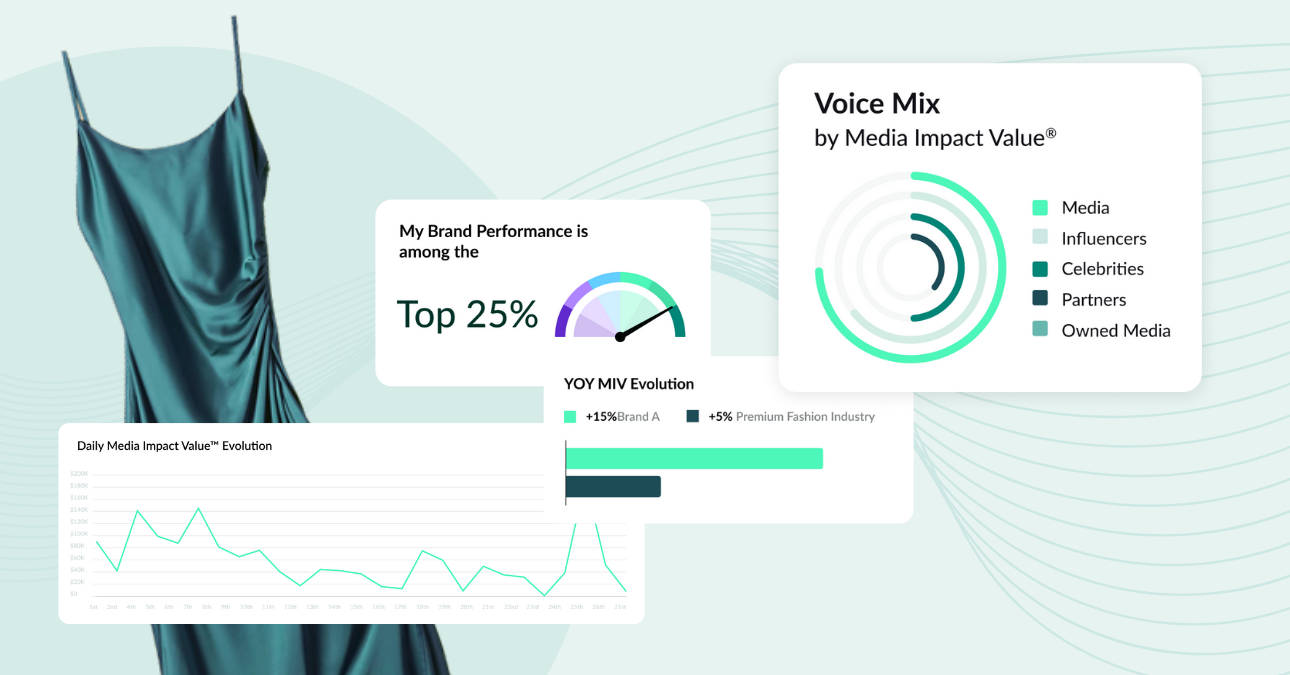
If we look at the Voice breakdown for Space NK—46% Influencers, 23% Partners—we can see what an effective balance looks like. It’s when brands and creators work together in the right proportions that they amplify each other’s visibility and impact.
Step 4: Measure, Benchmark and Optimize
Once your brand partnership is up and running, it’s time to measure, benchmark and optimize. To do this well, you need to go beyond surface-level metrics like impressions. Instead, focus on the data that shows real brand impact and helps you refine your strategy over time.
For example, using Launchmetrics Insights, you can benchmark performance by retailer, Voice and channel, giving you a clear view of what’s driving visibility and engagement. Armed with this data, you can optimize campaigns in real-time and strengthen your brand partnership strategy for future success.
Real-World Examples of High-Impact Partnerships
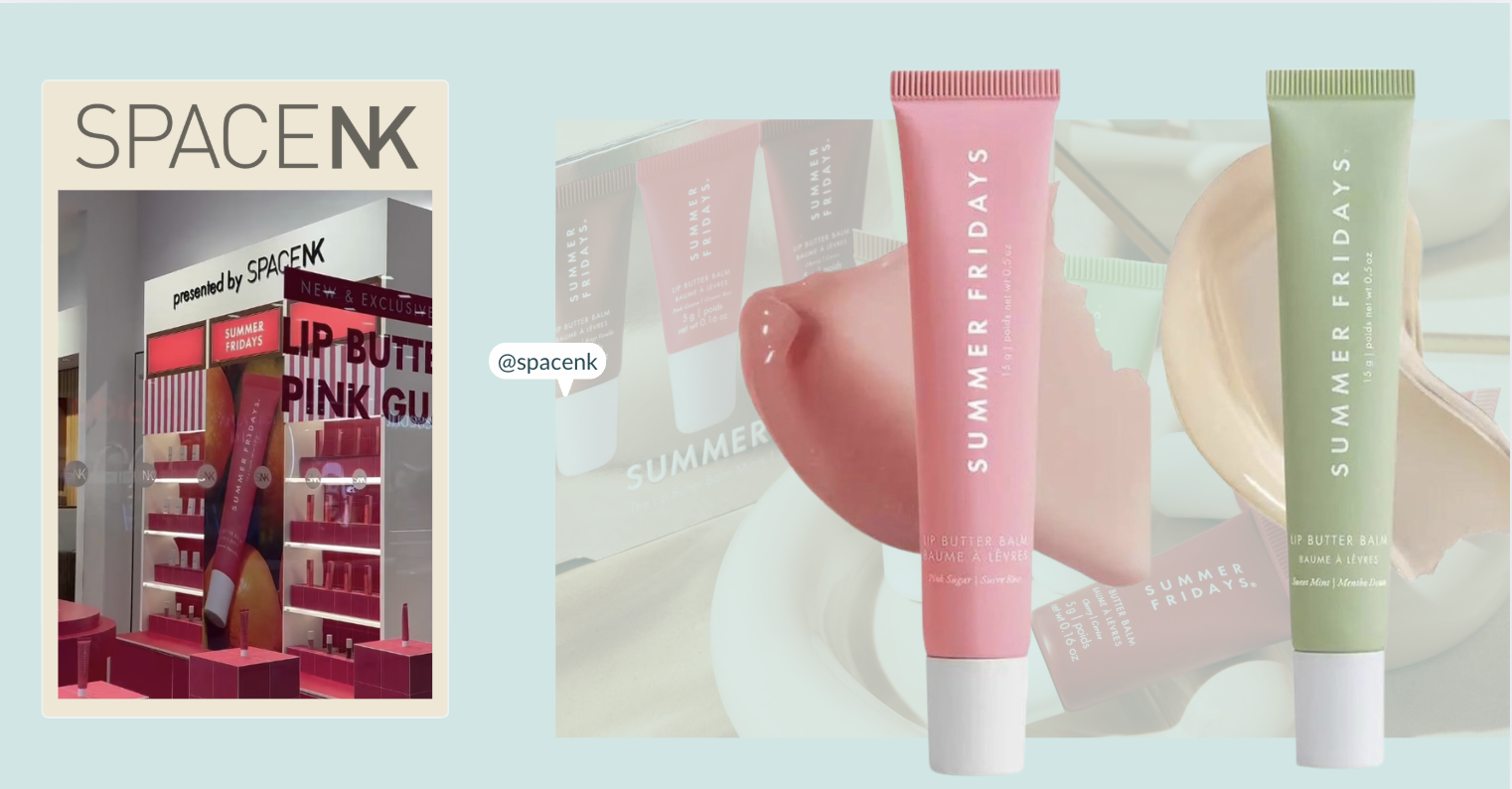
Let’s take a look at another real-world brand partnership example to see how strategic collaborations can deliver measurable results.
Space NK x Summer Fridays
According to our S1 2025 data, Space NK offers a compelling case for how a retailer can build both its own visibility and that of its brand partners. As mentioned above, brands received an average of 25.44% more value from placements authored by Space NK than from their owned media. Summer Fridays stood out for gaining a whopping 99% more MIV from Space NK’s posts than from its own. For smaller brands in particular, retail partnerships can be a powerful way to gain exposure and credibility that would be difficult to achieve alone.
Key Takeaways
The data is clear: leveraging the Partner Voice is one of the smartest, most measurable ways to grow your brand in 2025. Let’s recap what we’ve learned above:
- Retail x Brand partnerships are a growth engine—not a marketing afterthought. When done strategically, partnerships drive visibility, reach and trust across multiple Voices. They’re a long-term growth catalyst that goes far beyond one-off campaigns.
- Retailers act as high-value Voices, driving billions in visibility each year. In S1 2025 alone, retail partners generated over $4.8B in MIV—proof that they’re powerful storytellers, not just sales channels.
- Data is the differentiator. Understanding MIV, Voice Mix and Channel Mix helps brands pinpoint what’s working, uncover untapped opportunities and scale smartly.
- Launchmetrics Insights empowers smarter decisions. It allows brands to evaluate, benchmark and refine their partnership strategies, so they can build stronger, more effective partnerships over time.
Want to learn more? Download the full “Maximizing Retail Partnerships” report to uncover the brands, retailers and strategies shaping the next era of collaboration.
By Launchmetrics Content Team