From the scale of fashion week to the intimacy of private dinners, every seating decision matters and can even make or break relationships. Yet behind the scenes, invitee management is often fragmented across multiple departments, managed through spreadsheets, and prone to errors and miscommunication.
This disconnect revealed a clear need to the Launchmetrics product team: our client brands and agencies needed a more shared, secure and streamlined way to manage seating. That’s why we’re introducing “Collaborative Seating”, a new feature within our Events module.
Read on to discover what Collaborative Seating is, how it works and how it’s helping Fashion, Lifestyle and Beauty (FLB) brands plan and execute smoother and smarter guest experiences.
What is Collaborative Seating?
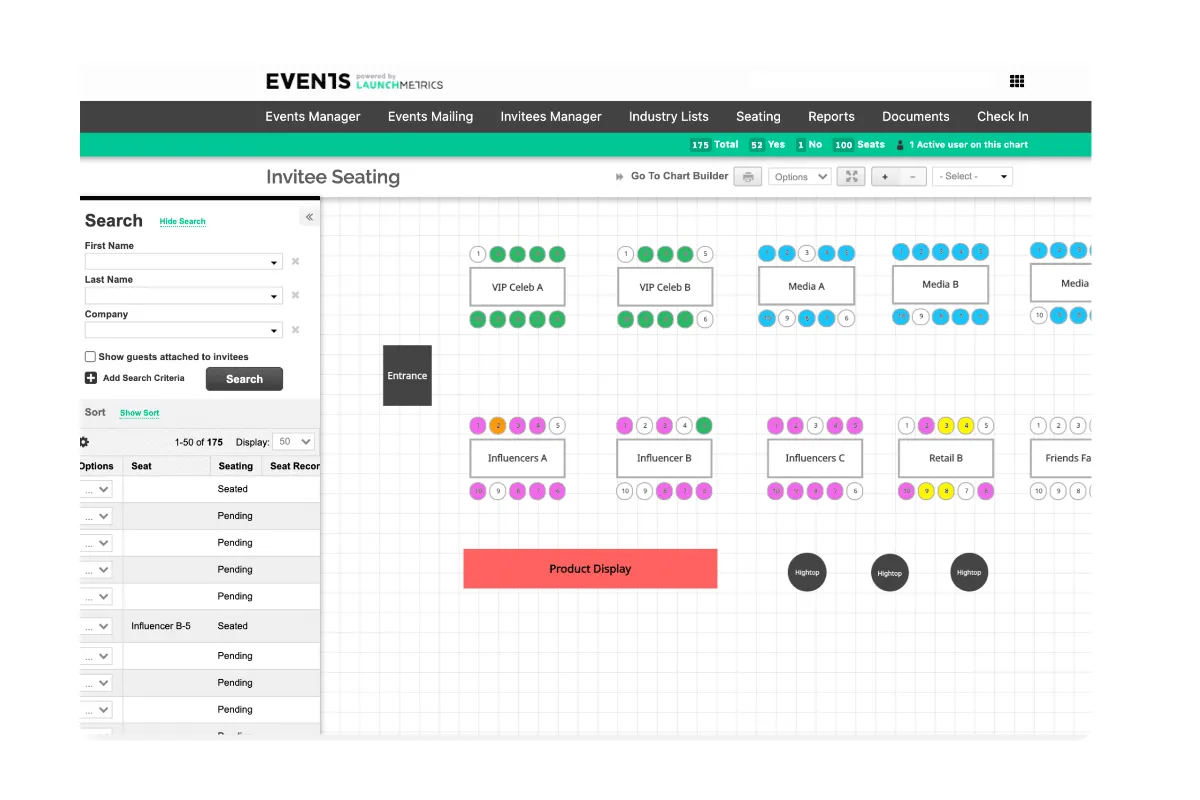
Collaborative Seating is an enhanced feature that makes it easier for multiple teams to manage guest seating in one shared space. Event owners can assign seating responsibilities to different departments, giving them the ability to plan how to seat their own guests while still keeping full oversight and control.
“We built Collaborative Seating to ease the frustration of teams working across regions or departments who feel overwhelmed by spreadsheets, last-minute changes and unclear plans. This takes that pressure off. It gives each team the autonomy to manage their own guests, while making it easier for the event lead to bring everything together without the stress or risk.”
– Barbara Crepaldi, Senior Customer Success Manager at Launchmetrics
Why Collaborative Seating Matters
Collaborative Seating brings structure to the complexity of event seating. It gives each team clear ownership over their own guest placements, without losing alignment across the event. This results in a more efficient and streamlined seating process, helping to avoid bottlenecks and delays. Here are some of the key benefits of collaborative seating:
- Collaboration without chaos
Empower teams to manage their own seating within a shared, centralized system. - Smart allocation
Assign zones by department, region or guest category to ensure seating aligns with brand and business goals. - Built-in privacy controls
Teams only see what they need to, ensuring sensitive guest data remains protected. - Full control for event owners
Freeze seating charts, control visibility and finalize the plan with confidence.
How Collaborative Seating Works
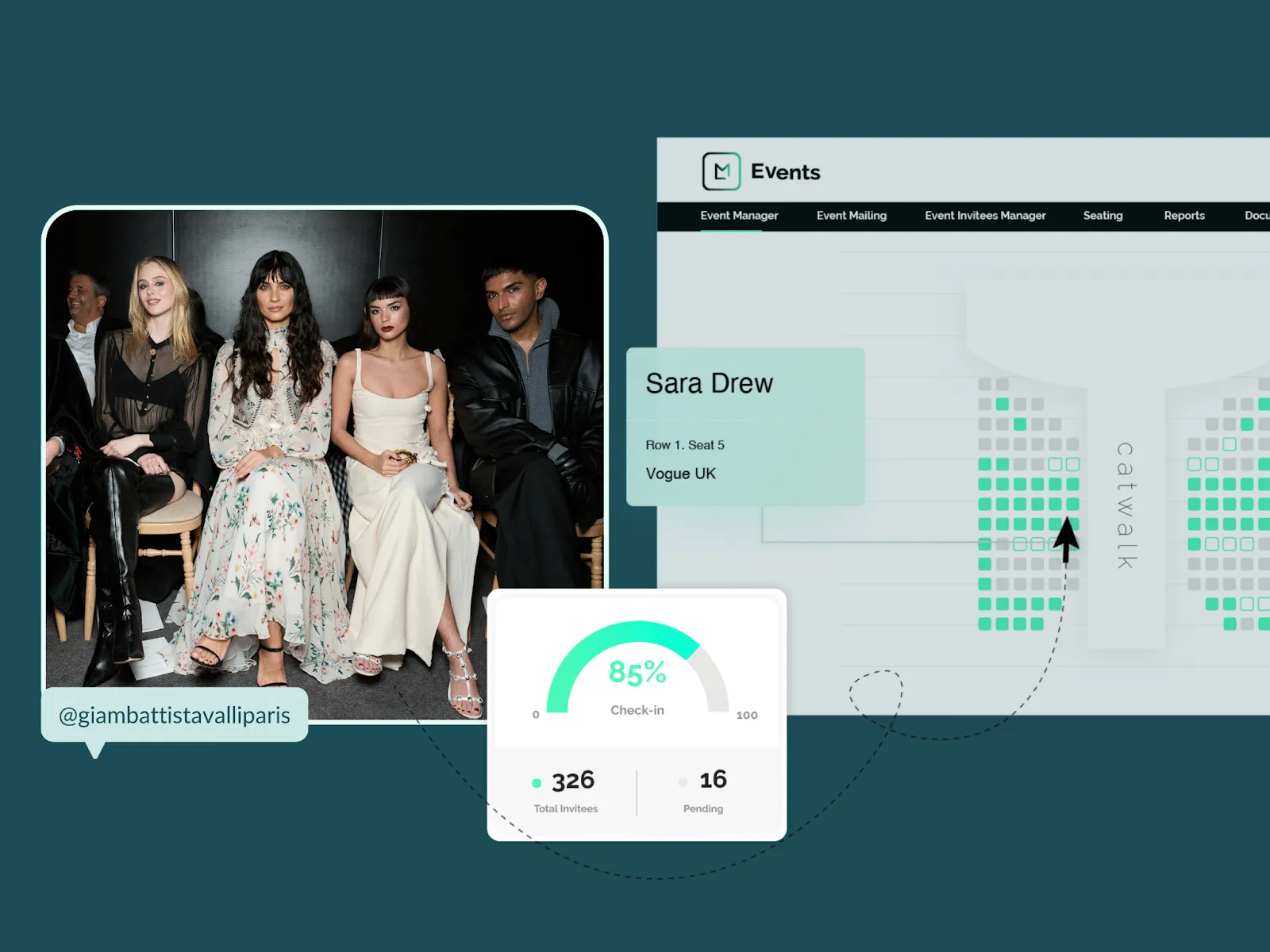
Seating assignments become easy to manage thanks to our drag-and-drop interface, while color-coded layouts and customizable seating zones help visualize the event setup clearly. Below are some examples of how it works in practice.
1. A global events manager plans a major showcase in Paris
The pressure is on to keep everything organized and flawless as multiple regional teams have their own seating priorities to manage. The global events manager needs to ensure that each department can manage its own VIP seating with privacy in mind—without losing control over the overall event.
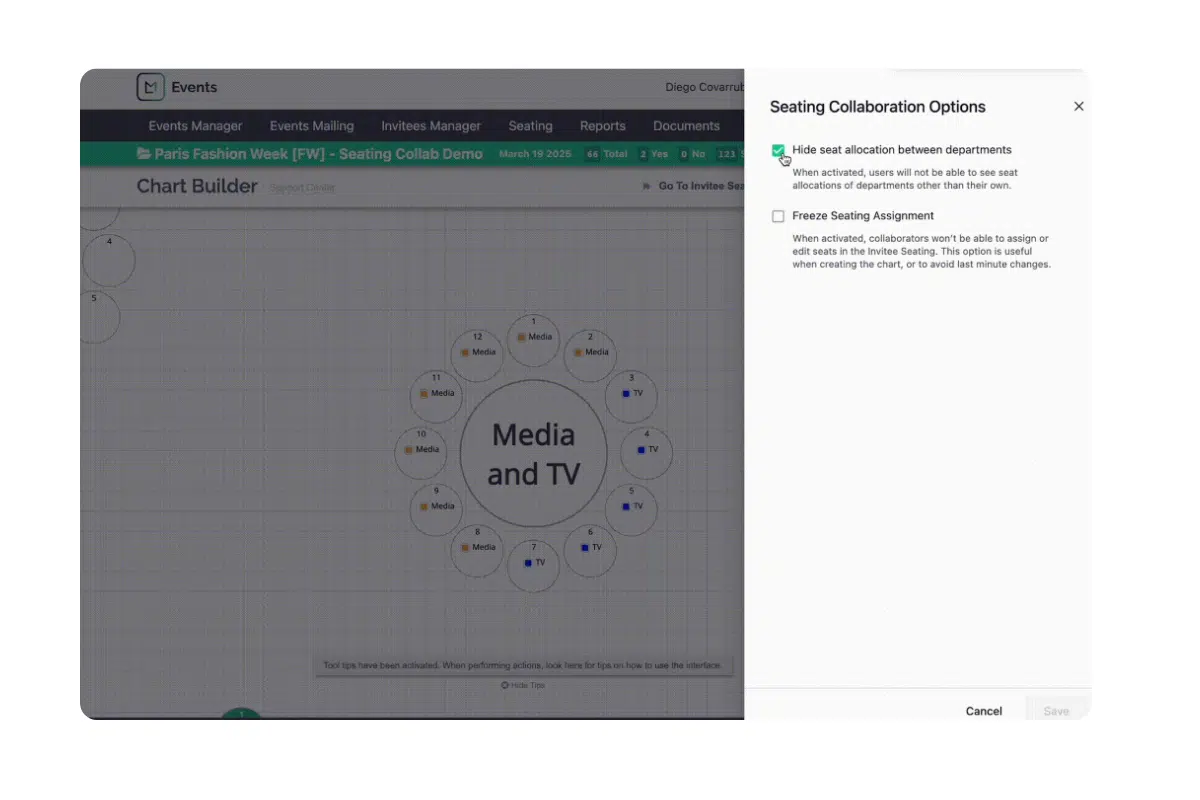
Using Launchmetrics, the event owner sets up customized seating zones for each team, allowing them to securely add their own contacts, manage RSVPs and finalize seat placements independently. Each department can work within its designated space, ensuring a smooth process.
Meanwhile, the event owner retains full visibility over the entire seating plan, locking it once the assignments are finalized. By extending permissions to the team, it gives the event owner the flexibility to shift focus to other critical elements, such as ensuring a flawless check-in process through the Events platform.
2. The event collaborator’s role in the process
Now’s the time for the event collaborator to step in. They can now manage their portion of the guest list, adding invitees securely from their contacts database and ensuring the right people are seated in the right places.
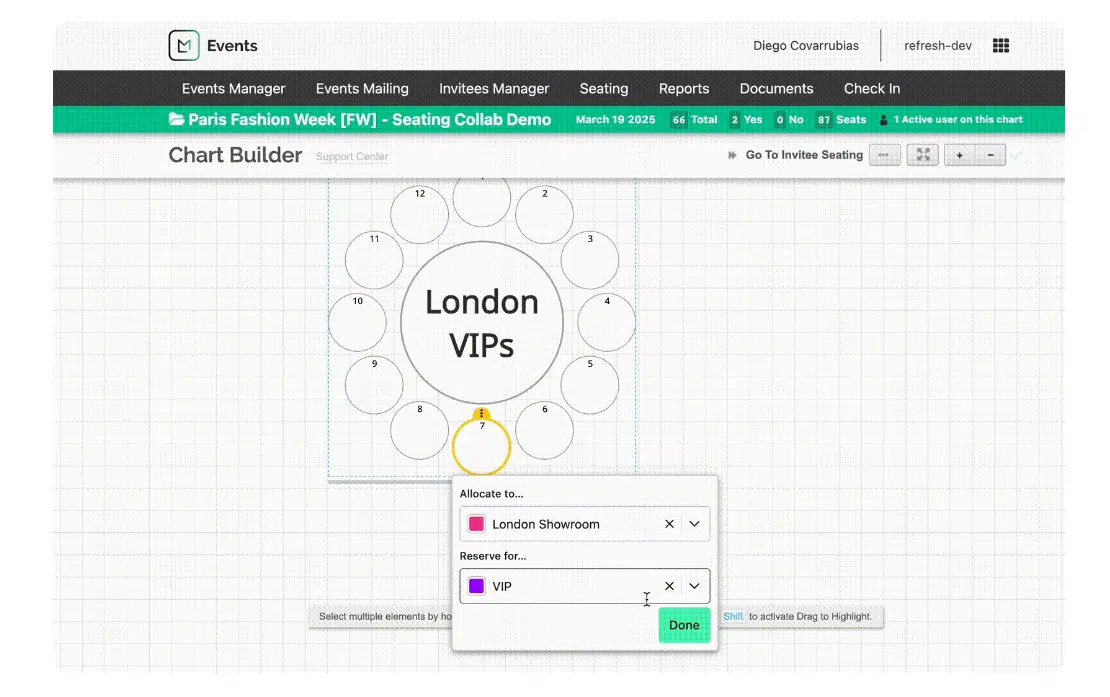
The EMEA PR team can focus on securing high-profile media coverage and ensuring VIP clients are seated in key locations to maximize visibility and brand influence. Similarly, the APAC team can prioritize influencers and local media coverage. They place influencers and brand partners strategically to reflect their impact on the region’s audience.
They can also view real-time RSVP status, track who’s attending, send personalized communications directly through the platform and ensure every guest is accommodated as needed.
After the event, reports enable the event collaborator to review attendance data and insights on engagement, helping them evaluate the success of their portion of the event and plan for future activations.
See it in Action
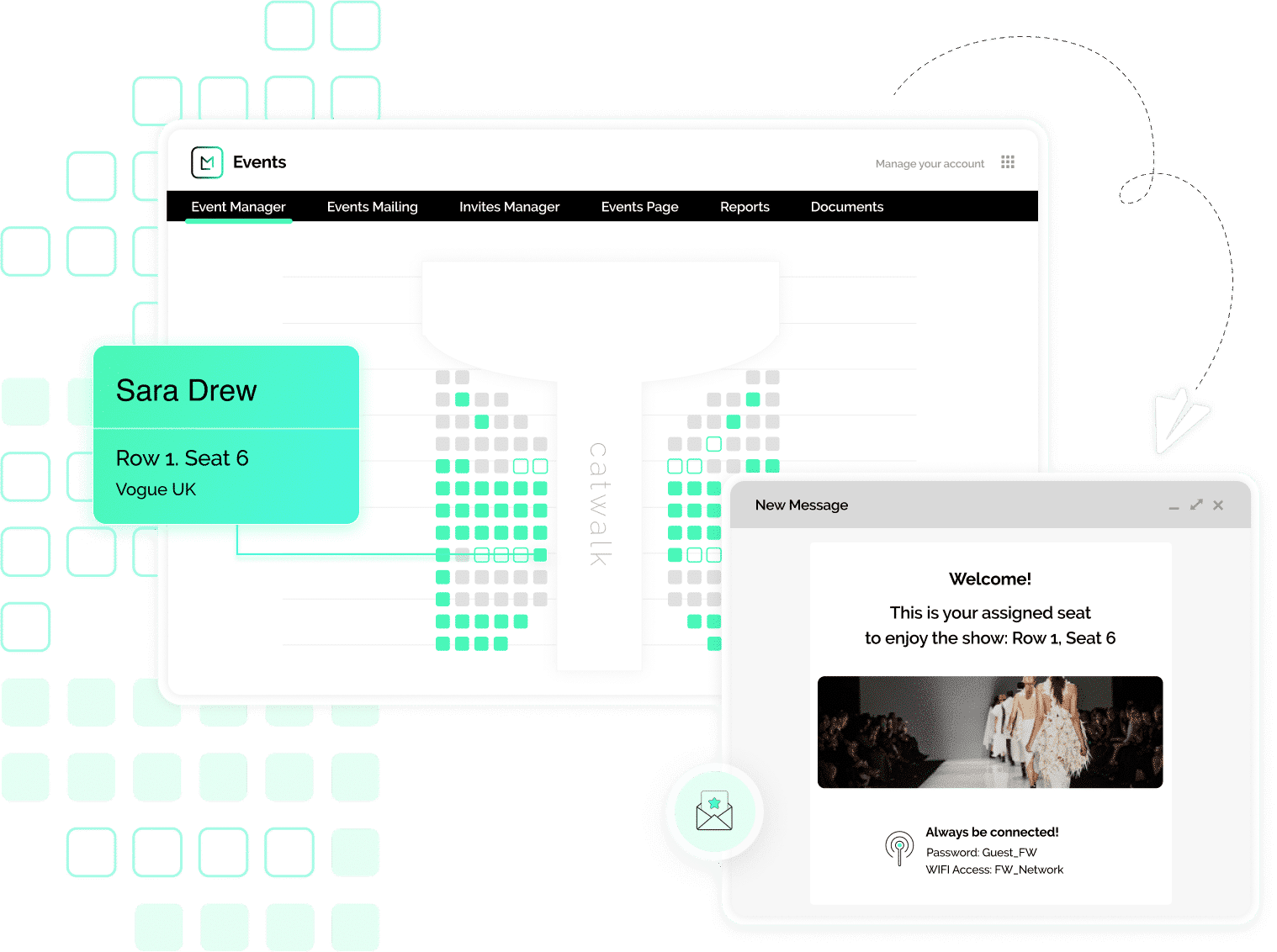
Collaborate & Streamline Your Seating Plans
Book a personalized demo and discover how Launchmetrics Events powers smarter, more secure event collaboration.
By Pawandeep Kaur